Bee Balm For All the Things
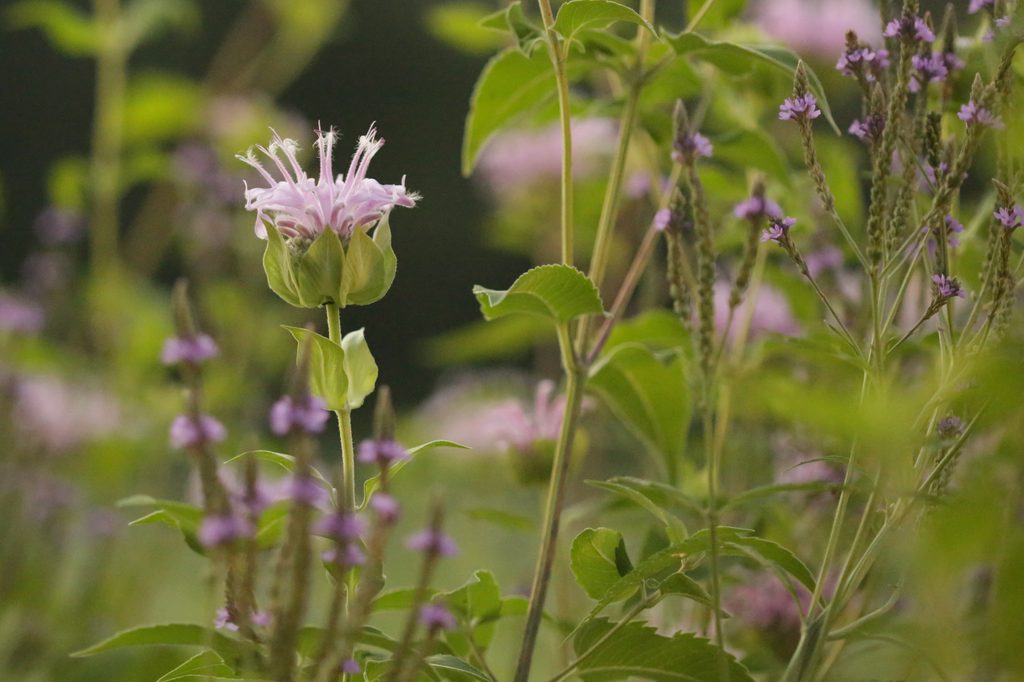
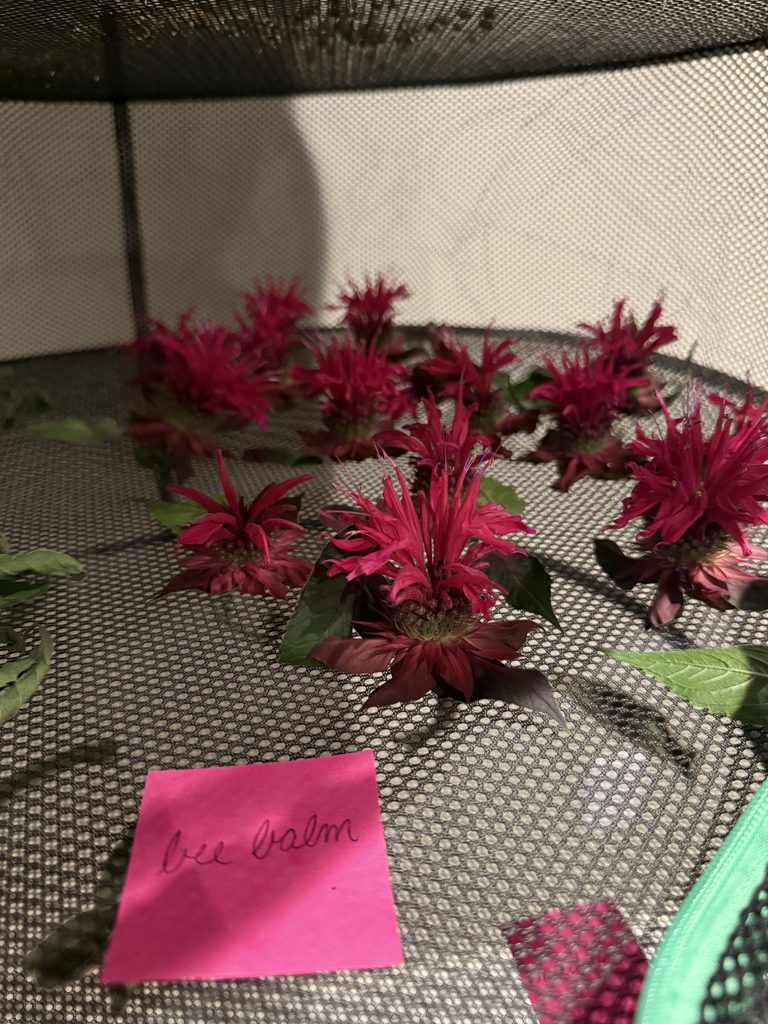
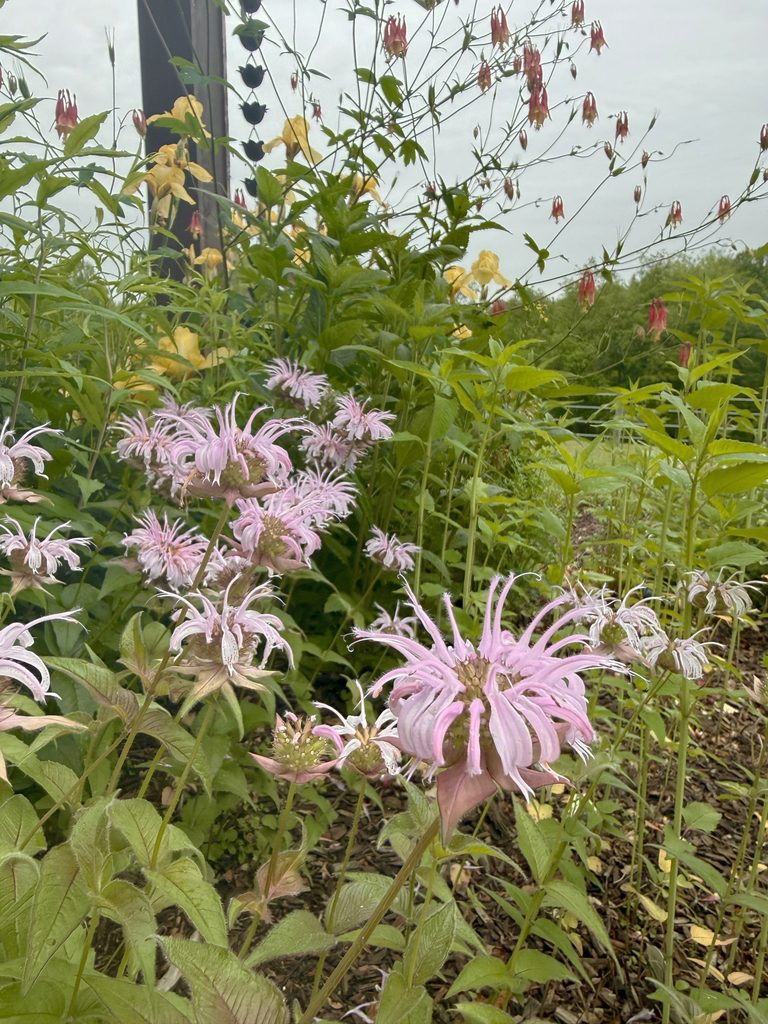
Bee Balm (Monarda spp.) is one of my absolute favorite herbs to cultivate and harvest. Not only is it stunning, it also smells divine. Often named Wild Bergamot, its heavenly aroma truly lives up to it’s name! There are several varieties of bee balm and while they can be used interchangeably, some herbalists contend that Monarda fistulosa (light purple) may offer more health benefits and Monarda didyma (red) is considered more culinary. I have both growing on my property and use them together. Although each variety tastes slightly different, they are very similar to oregano or thyme and can even be used as a spicy alternative in their place for recipes.
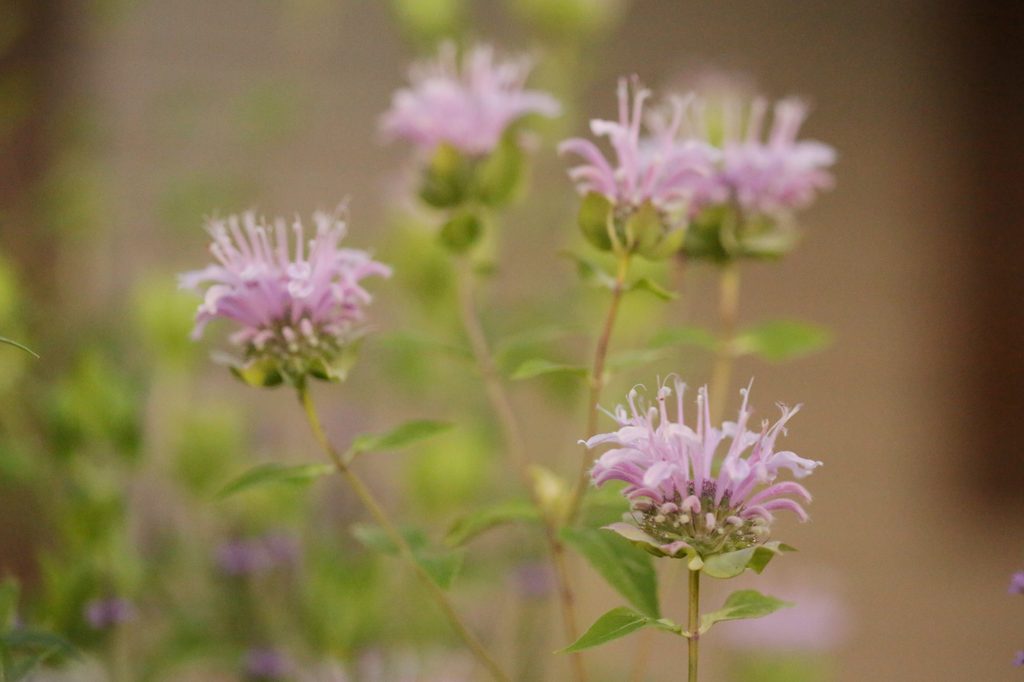
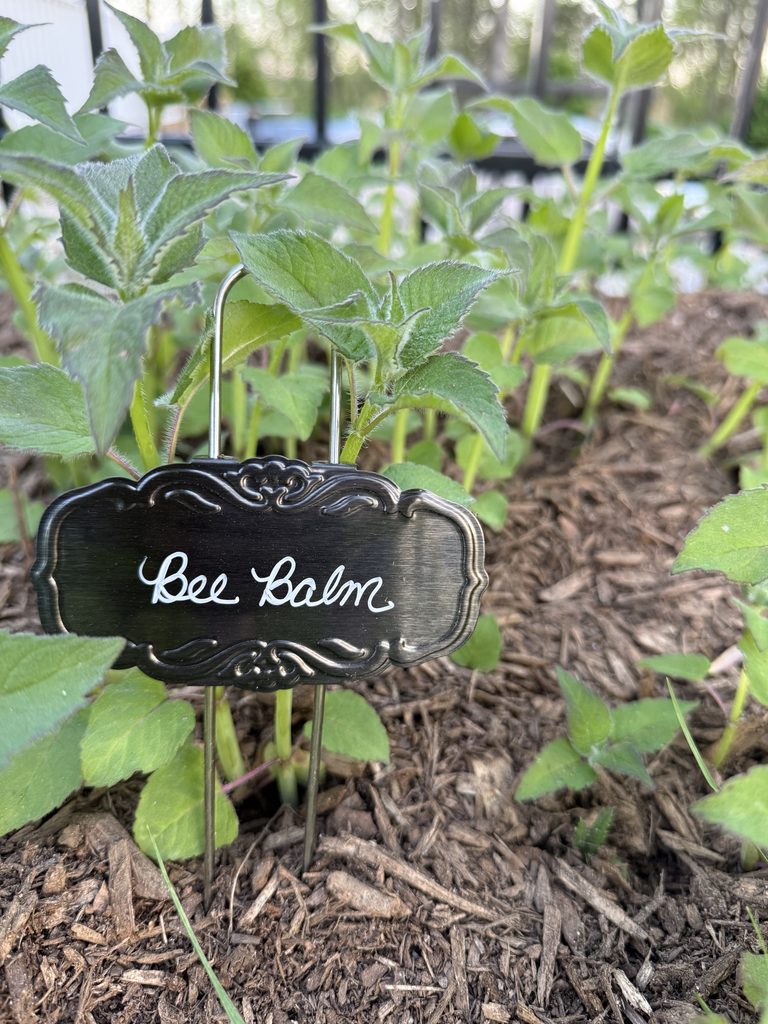
Although bee balm can be foraged, I typically think of it more as an herbalist’s favorite for perennial garden cultivation. It’s nearly impossible to source commercially, so this is a really good herb to consider growing at home. It practically takes care of itself and spreads easily. The only thing to keep in mind is that it is susceptible to powdery mildew, so I harvest only the best, unaffected leaves and flowers to dry together, saving some to also make a fresh plant tincture for use throughout the year. Blooming from late June to September (my zone is 7B), bee balm has a nice, long harvest window. The stalks grow quite tall (sometimes as high as six feet), so they are quite showy in the garden. The flowers are loved by pollinators and are so uniquely beautiful. I’m so grateful God loves variety!
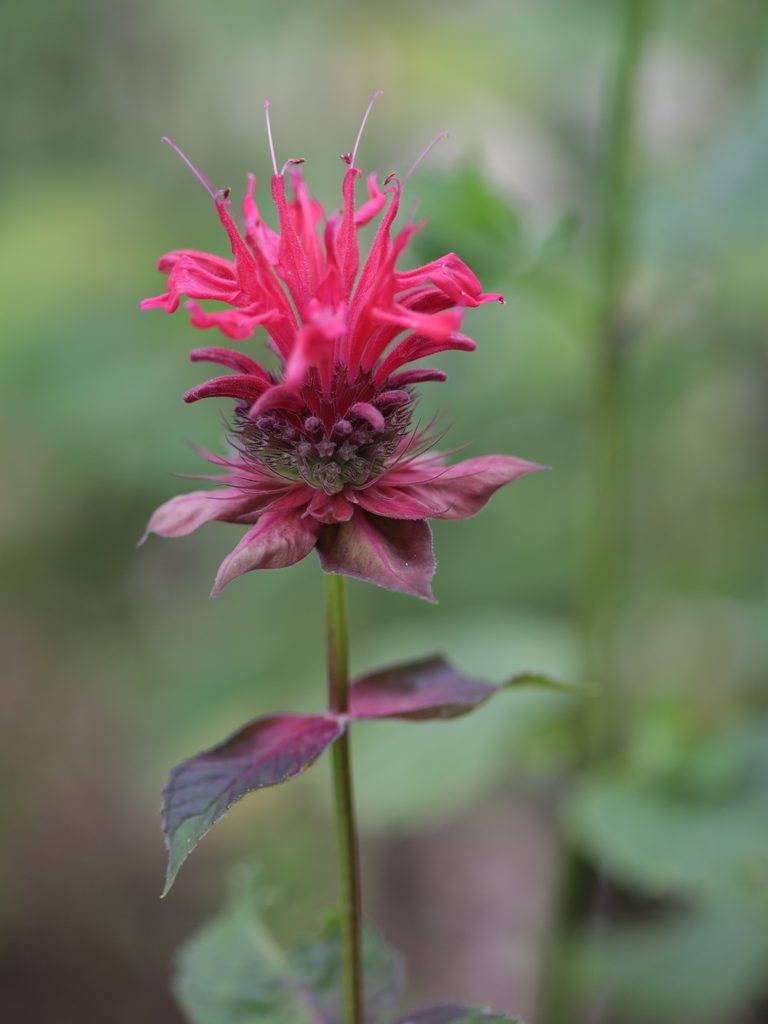
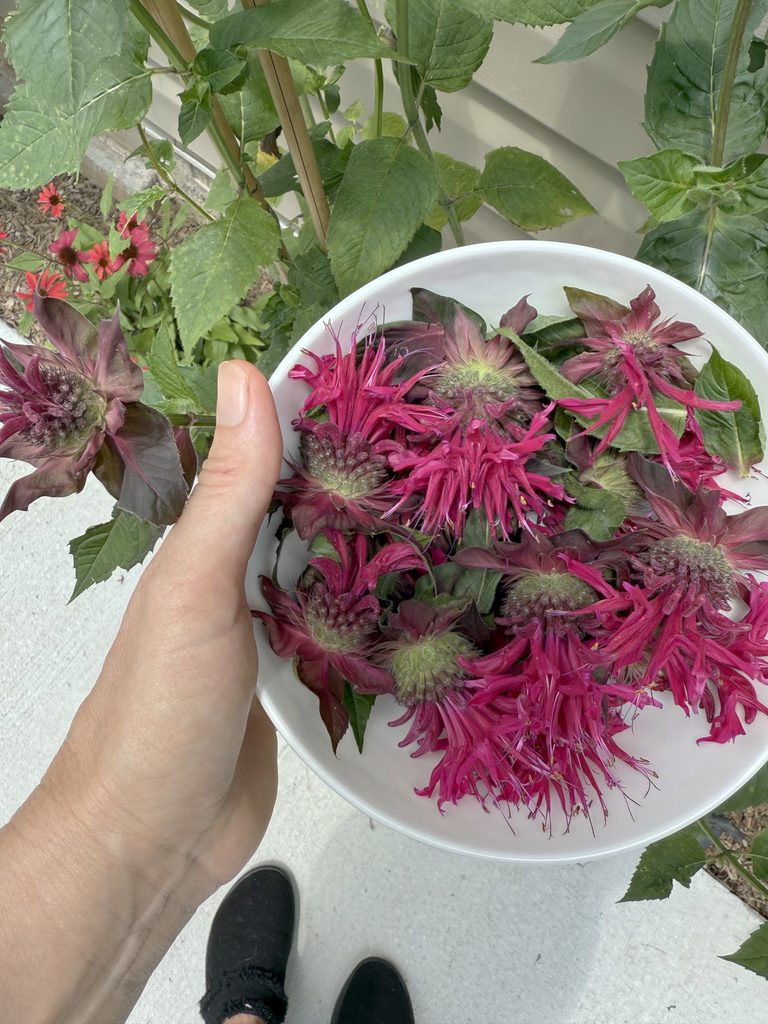
In addition to being a lovely addition to a flower garden, bee balm is a versatile herbal ally and has so many gifts to offer. It works from the inside out, helping to stimulate circulation, enhance immunity, and move stagnation. It is strongly antimicrobial, making it wonderful to have on hand for the winter season. It’s also an awesome all-around digestive support herb. It’s safe to use with babies and can even be used as a cooled infusion to help sooth colic or as an herbal wash to support cradle cap. It has also been traditionally used to support ear infections, tinnitus, and vertigo.
Herbal qualities:
Alterative, anti-fungal, anti-inflammatory, antimicrobial, antispasmodic, carminative, diaphoretic, diffusive, digestive tonic, diuretic, emmenagogue, nervine, vulnerary
Energetics:
Warming + drying, though some herbalists argue it’s more cooling because of its cooling effect for fevers and inflammation
Parts Used:
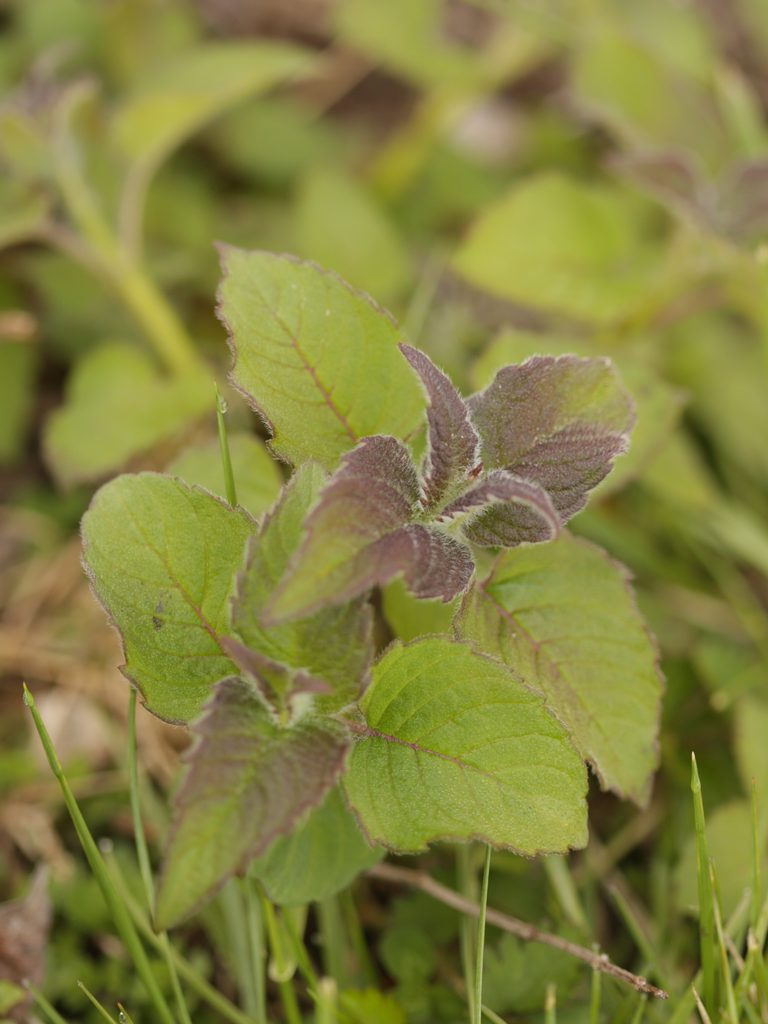
Flowers + leaves
Digestive/Detox Ally
When it comes to gut support, bee balm is a standout herb. It is not only supportive to repair leaky gut and restore dysbiosis, it also promotes healthy digestion and eases digestive upsets, flatulence, indigestion, bloating, diarrhea, constipation, and cramping. It’s basically the go-to herb for all things digestion. Bee balm also supports movement in gallbladder congestion and the liver’s detoxification processes – an infusion is even helpful to ease hangovers! Historically, bee balm has been used in cases of cholera and some research suggests it can support symptoms of SIBO.
Bee Balm to Support Infections
Bee balm’s high thymol content makes it a strong broad spectrum antimicrobial (antiviral, anti-fungal, antibacterial) and is extremely supportive with persistent, frequent usage for a variety of acute infections. A tincture or an infusion are particularly recommended. Anecdotally, it has been used to support all kinds of bacteria, viral, and fungal infections (like truly – all kinds), but there are a few situations for which it is particularly recommended:
Fungal/Yeast: Although bee balm is a powerful general antimicrobial, one of its greatest properties is it’s strong anti-fungal quality. It’s helpful for topical and internal fungal concerns, including an imbalanced gut microbiome. A bee balm infusion can be supportive for yeast infections or chronic candidiasis, a douche made from a cooled infusion is helpful for a vaginal yeast infection, and an herbal wash made from an infusion is supportive for topical infections and cradle cap.
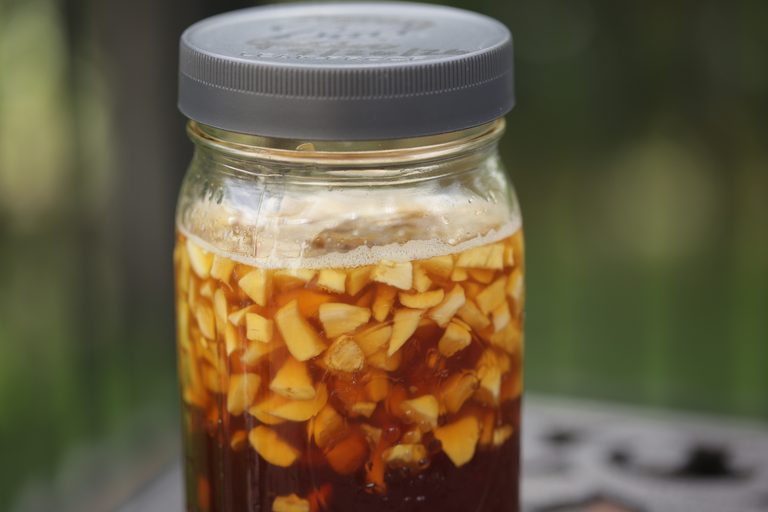
Cold + Flu: The antimicrobial quality of bee balm is a powerful support for cold + flu season. As a diffusive herb, bee balm helps to move heat out of the body and promotes movement of stagnation, making it a nice ally for cold + flu symptoms. A warm infusion is especially useful to support fever that presents with clammy cold skin, general symptoms of coldness, and lung infection. Bee balm also makes an excellent herbal syrup or herbal honey for cough and sore throat. Likewise, an oxymel or aromatic herbal steam can help to relieve chest congestion.
Urinary Tract: As a strong antimicrobial, bee balm is a perfect herb to consider for an inflamed urinary tract. Paired with marshmallow root and cranberry, bee balm makes a lovely infusion to support urinary tract infections and other urinary tract irritations.
Mouth: Due to bee balm’s high thymol content, swishing a mouthwash made from a cooled infusion (or a tincture diluted with water) can be a great way to support mouth and gum irritations, toothaches, thrush, and oral infections. Research also suggests that bee balm may inhibit oral cancer in vitro.
Skin
Bee balm can be used topically for burns, rashes, stings, sunburns, and skin irritations. An herbal wash, poultice, balm, or salve are great options to support skin concerns and wound healing.
Calming + Relaxing
As a nervine, bee balm is helpful to support anxiety, depression, and even sleep concerns. It makes a terrific nighttime tea combined with chamomile.
Menstrual Support
A cold bee balm infusion can be taken to stimulate menstruation and relieve the pain of menstrual cramps.
Preparations:
Culinary, infusion (steeped for 5 minutes), infused honey, infused oil, vinegar/oxymel, poultice, salve, balm, steam, syrup, tincture, wash
Cautions + Considerations:
Bee balm is generally considered safe for all, including babies. Use culinary doses only for pregnancy, due to the emmenagogue and menstruation-stimulating properties. Bee balm can induce vomiting when combined with valerian.
References
Bee balm, our native spice. (n.d.). HerbalRemediesAdvice.Org. Retrieved October 25, 2026, from https://www.herbalremediesadvice.org/bee-balm.html
De La Chapa, Jorge J., Prajjal Kanti Singha, Debbie R. Lee, and Cara B. Gonzales. “Thymol Inhibits Oral Squamous Cell Carcinoma Growth via Mitochondria-Mediated Apoptosis.” Journal of Oral Pathology & Medicine: Official Publication of the International Association of Oral Pathologists and the American Academy of Oral Pathology 47, no. 7 (August 2018): 674–82. https://doi.org/10.1111/jop.12735
de la Forêt, R. (2020). Bee balm uses and plant profile. Learningherbs.Com. https://www.learningherbs.com/blog/bee-balm-uses
Groves, M. (2026). Herbal Gut Health. Storey Publishing, LLC.
Kim, H. W., D. H. Chung, S. A. Kim, and M. S. Rhee. “Synergistic Cranberry Juice Combinations with Natural-Borne Antimicrobials for the Eradication of Uropathogenic Escherichia Coli Biofilm within a Short Time.” Letters in Applied Microbiology 68, no. 4 (April 2019): 321–28. https://doi.org/10.1111/lam.13140
Wood, M. (2009). The earthwise herbal: A complete guide to New World medicinal plants. Berkeley, CA: North Atlantic Books.