The Versatile Violet
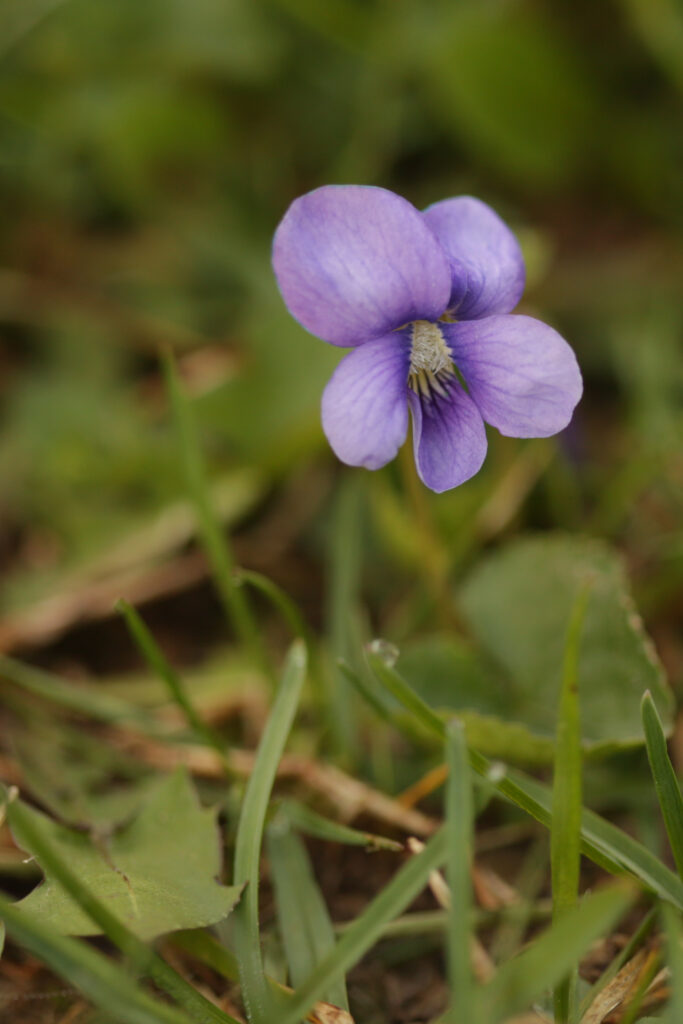
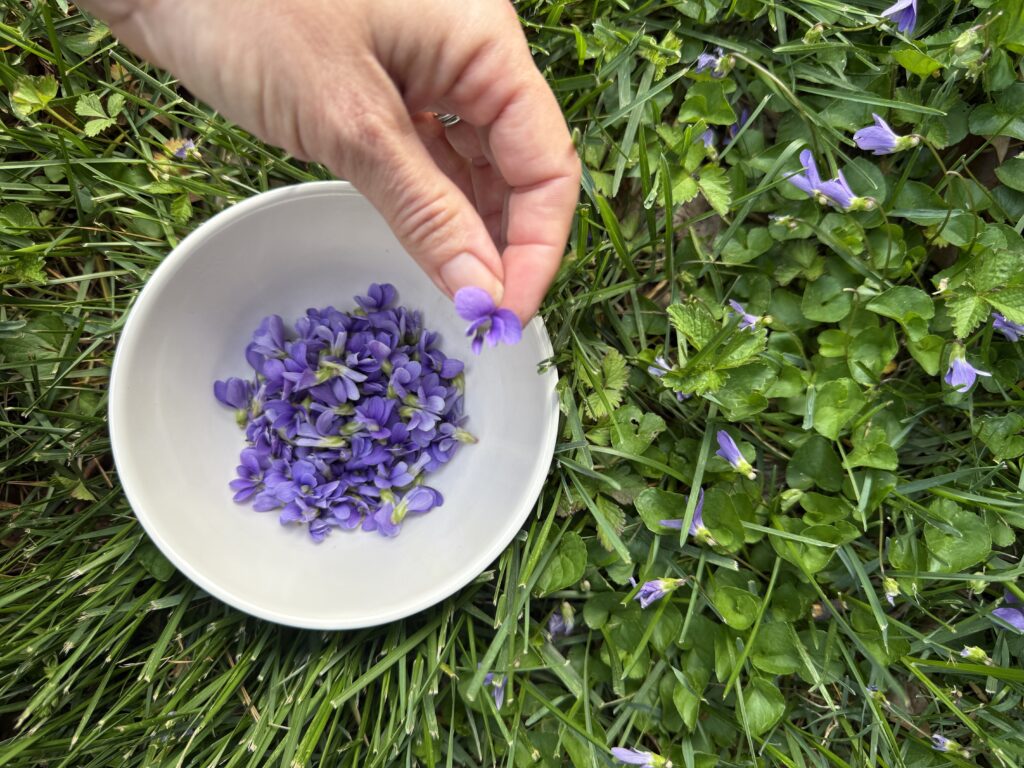
It’s mid-April, so I am beginning to see pretty purple patches of violet (viola spp.) make their debut all across my front field, lawns, and garden beds. Considered a weed by many, the common violet’s flowers and leaves are herbal powerhouses that can be used in several ways to support the body. Although the ones that grow in my area are usually purple, I find the occasional yellow or white blooms also. They have five sepals and five slightly irregular petals that droop to the ground, with the bottom petal being slightly larger than the others. They look a lot like pansies and are a perennial plant, so they come back every year as long as they aren’t over-foraged. The leaves are 1-3 inches, heart-shaped, and smooth.
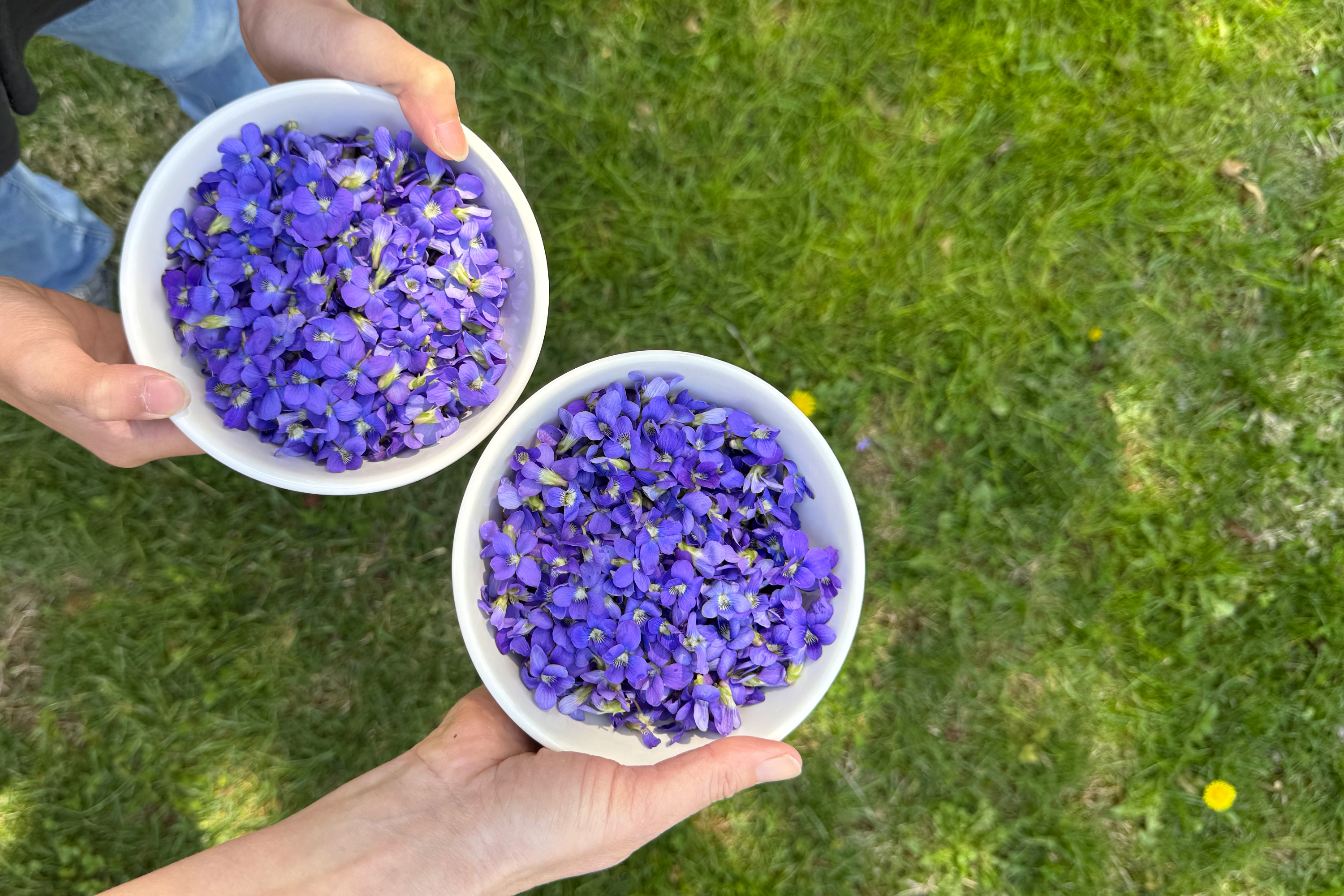
Violets are a great herb to forage because they are rarely sourced commercially, so take advantage in the springtime when they bloom. They can be used fresh for culinary purposes or glycerites, and they can be dried to store for later use. Both the blooms and the leaves are medicinal, so make sure to harvest both! In addition to its many uses below, violet is an excellent accelerator in herbal preparations because it can increase potency and balance drying qualities of other nutritive herbs. It’s also a wonderful herb to use with children, so it’s perfect to have on hand when needed for seasonal illnesses.
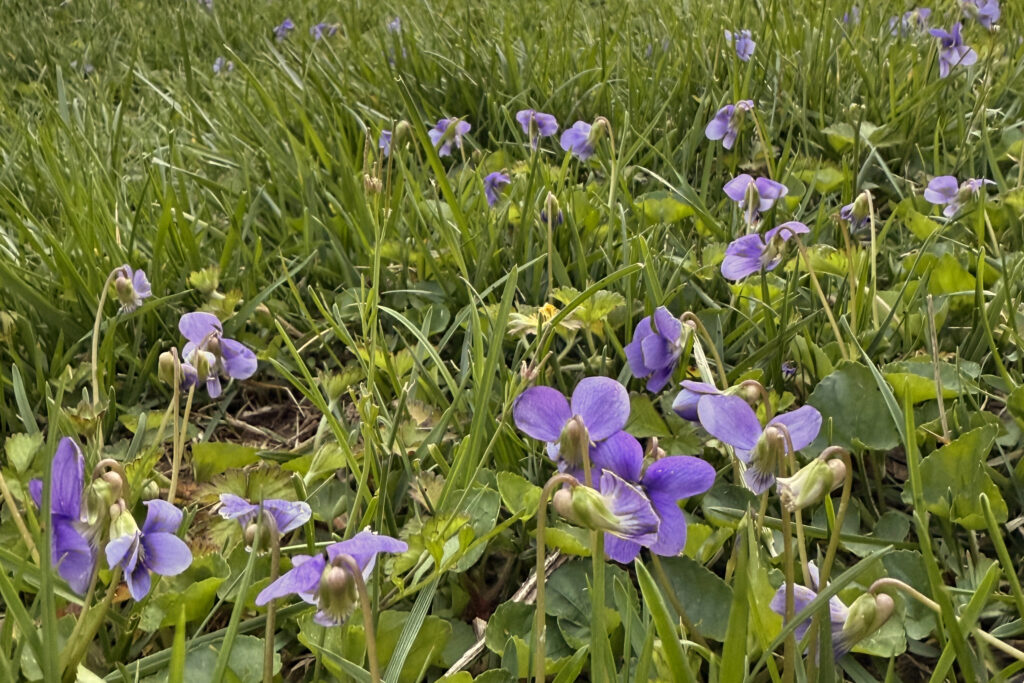
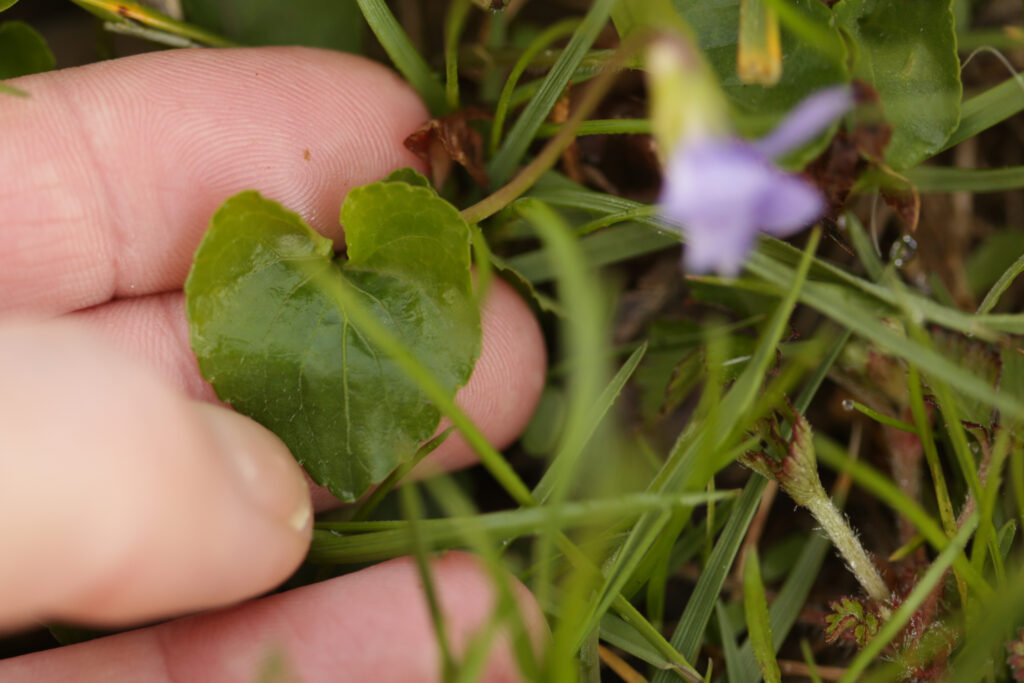
Herbal qualities: alterative, anti-inflammatory, antimicrobial, antioxidant, demulcent, diuretic, expectorant, lymphatic, nervine, nutritive
Energetics: cooling, moistening
Respiratory support. Violet is a wonderful herb to use for the respiratory system! The demulcent quality (especially of the leaves) makes it a perfect support for dry coughs, sore throats, and inflamed lungs (Forêt, 2020). It’s particularly supportive for bronchitis (Hoffman, 2003). It’s also an expectorant, so it can help to loosen mucus. Given that violet is awesome to use with kids, it’s a perfect addition to syrups or honeys.
Skin support. Used for hot and dry skin, violet can be helpful topically and internally to support many skin issues, including eczema, acne, cradle cap, wounds, boils, and infected sores. Its anti-inflammatory property makes it a nice addition to salves and poultices.
Lymphatic support. As a lymphatic herb, violet can help relieve congestion (Easley, 2016). It supports stagnant lymph and swollen lymph nodes, as well as breaks down cysts, fibrocystic breast tissue, and swelling (Forêt, 2020). A castor oil pack with violet-infused oil can be a great way to support lymph movement. It can be beneficial for general detox and clearing heat as well.
Nervous system soothing. Although not a popular use, violet can be helpful in promoting calmness and sleep! In fact, a 2014 study found that two drops of violet-infused oil in each nostril before sleeping promoted improved sleep in people with chronic insomnia (Feyzabadi, et al). Additionally, according to Shayesteh, violet was found to improve symptoms of depression and OCD when used every 12 hours as a spray (2020).
Nutritive: Violet is not only high in Vitamin C, the leaves also have beta-carotene (“Discovering Violet”)! They also have a high antioxidant content, making them a great option for preventing free-radical damage.
Other: There is also some research to suggest that violet may be anti-cancer (Aloum, et al., 2020), but others report its use anecdotally as well. It’s alterative property could certainly lend itself to supporting cancer treatment (Hoffman, 2003) and Forêt also notes that several in vitro studies show promise, including one that demonstrates violet being helpful for drug-resistant breast cancer (2020). Violet can also be helpful for dry, inflamed joints and can be an herb for long-term support of rheumatism (Hoffman, 2003).
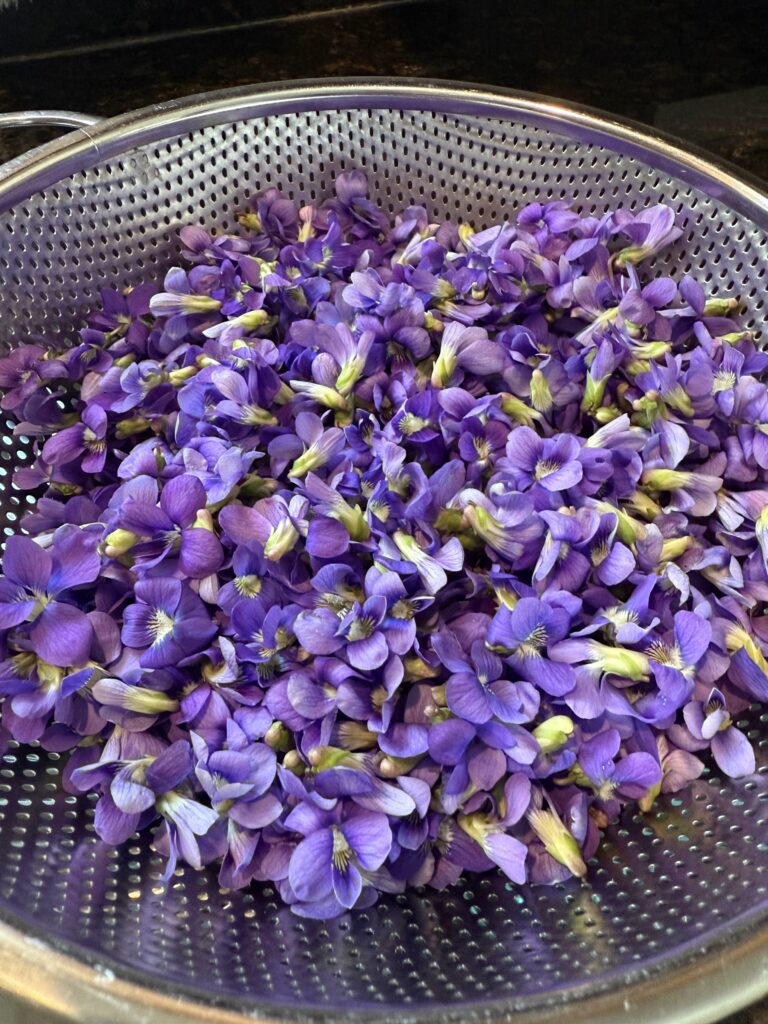
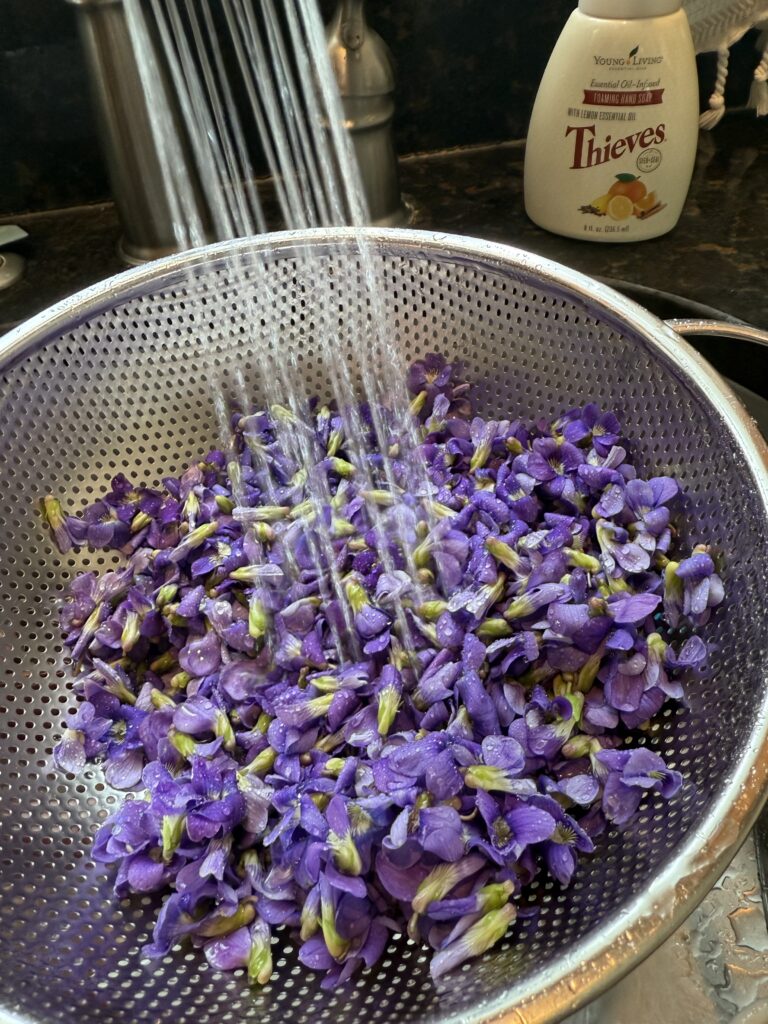
Preparations: culinary, glycerite (fresh), infused oil, infused vinegar, infusion, poultice, syrup, tea, tincture
Cautions & considerations: Violet is a great herb for children and generally regarded as safe. Take care to not forage lookalikes (larkspur and monkshood). Violet roots are poisonous and should not be used.
REFERENCES
Aloum, L., Alefishat, E., Adem, A., & Petroianu, G. (2020). Ionone is more than a violet’s fragrance: A review. Molecules, 25(24), 5822. https://doi.org/10.3390/molecules25245822
Discovering violet flowers: Free herbal activity book. LearningHerbs. (n.d.). https://www.learningherbs.com/blog/discovering-violet-flowers
Easley, T. (2016). The modern herbal dispensatory: A medicine-making guide. North Atlantic Books.
Feyzabadi, Z., Jafari, F., Kamali, S. H., Ashayeri, H., Badiee Aval, S., Esfahani, M. M., & Sadeghpour, O. (2014). Efficacy of Viola odorata in Treatment of Chronic Insomnia. Iranian Red Crescent medical journal, 16(12), e17511. https://doi.org/10.5812/ircmj.17511
Forêt, R. de la, & Han, E. (2020). Wild remedies: How to forage healing foods and craft your own herbal medicine. Hay House, Inc.
Hoffmann, D. (2003). Medical herbalism: The Science and practice of herbal medicine. Healing Arts Press.
Shayesteh, M., Mahdavi, M., Shams, J., & Kamalinejad, M. (2020). Effects of viola odorata as an add-on therapy on insomnia in patients with obsession or depression: A pilot randomized double-blind placebo-controlled trial. Journal of alternative and complementary medicine, 26(5). https://doi.org/10.1089/acm.2019.0254