Tinctures
Tinctures are potent herbal extracts made by steeping plant material in high-proof alcohol and filtered water. They are an incredible way to extract loads of healing properties from plants! They’re also super simple and convenient to use. Tinctures are one of the more shelf-stable herbal preparations too, generally lasting 3-5 years. There are certainly many reputable sources to buy tinctures, but it’s helpful to know how to prepare them yourself. The best part is they are SO easy to make and extremely affordable, so stick with me so you can add this tool to your apothecary.
The ratio of water to alcohol varies and is dependent on whether the herb material is fresh or dried, as well as the water content needed to extract both alcohol- & water-soluble properties or the specific plant. In general, 40-60% alcohol is ideal for dried herbs, while fresh herbs are usually tinctured with 70-95% alcohol. Always defer to a reliable herbal preparation-making resource – my go-to is Making Plant Medicine by Richo Cech. Most resources include the % alcohol content, not the alcohol proof, but it’s easy to understand the difference. The alcohol content (percentage) is half the proof number of any given alcohol. So, if you are using 80 proof alcohol, it contains 40% alcohol and 40% water.
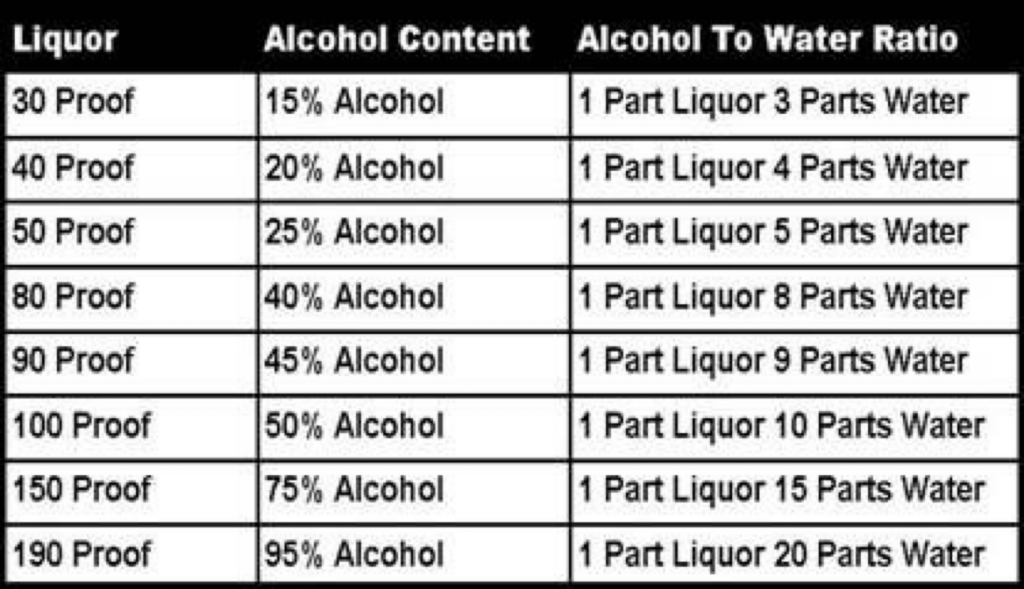
There are two general ways to make tincture – the Folk Method and the Ratio Method. I use the folk method in my home because it works for my personal needs, but it is less precise and doesn’t lend itself to identical results each time. The ration method is measured for more accuracy and used when consistent results are desired. The measurements are based on ratios of plant material to alcohol. Below, I outline both methods:
Folk Method Tincturing
- Chop fresh herbs or grind dried herbs to expose as much surface area as possible
- Place herbs in a sterilized wide-mouthed mason jar, filling it nearly full with fresh herbs or about half-full with dried herbs
- Add enough of the appropriately-proofed alcohol to cover plant material by one inch and stir thoroughly
- Cap and label, storing in a cool, dry location
- Check the next day to make sure the plant material is below the alcohol level (to avoid mold)
- Stir every few days
- Steep for 4-6 weeks
- Strain with a wire strainer and cheesecloth into another glass container, squeezing to extract as much of the mixture as possible
- Let the tincture settle overnight, and then restrain it through a fine filter like a coffee filter
- Bottle and label the tincture in amber-colored bottles, store in a cool, dark place
Ration Method Tincturing
The same guidelines as above are used, but the ingredients are measured based on generally accepted methods.
For example: If a dried stinging nettle tincture is made using a 1:5, 40% ratio, it would translate:
- 1 part stinging nettle, 5 parts alcohol, which is measured in grams (for the herb) and mL (for the alcohol)
- If using 100 grams of herb, you’d use 500 mL of alcohol (1:5 ratio)
- 40% alcohol-by-volume is used, meaning you’ll want alcohol with an 80% proof
Always refer to a trusted resource like Making Plant Medicine by Richo Cech for exact ratios and measurements.
General Dosing Guidelines
Dosing is specific to herbs, so always check your favorite resources to be certain. But in general, doing is typically 1-5 mL up to three times per day. Dosing for children ages 2+ should be based on Clark’s Rule or Young’s Rule. When starting a new tincture, consider a half dose to work your way up to a full dose. This helps identify individual sensitivities as well as make sure that the herb is creating the intended effect.
“And God said, ‘Behold, I have given you every plant yielding seed that is on the face of all the earth, and every tree with seed in its fruit. You shall have them for food.’” -Genesis 1:29