
Herbs
It is one of my greatest joys to share the functional uses of herbs with others to support and promote overall wellness. Whether it be cultivating an herb garden, understanding how herbal qualities influence the body, or making herbal preparations, it’s so rewarding for me to introduce others to the wonderful world of plants!
People have been using plants to support wellness since God provided them to humanity in the garden of Eden at the beginning of time (Genesis 1:29-30, ESV). Our Abba’s Apothecary is a practical provision provided to us from creation. A rich history of plant use is documented throughout the world, with early records including ancient Sumerian clay tablets and ancient Egyptian papyrus. And up until the early 1900s, herbs were part of standard health practice in the U.S. as well! The modern western herbalism that is still practiced today is a melting pot of historically documented practical experiences, traditional wisdom, and evidence-based scientific use.
Research is now beginning to support what herbalists have observed for centuries – herbs have therapeutic value and have the ability to gently support and balance the body’s natural healing processes. They are absolutely not a replacement for medical care or prescription medications, but they are a beautiful complement to a wholistic lifestyle. My personal use of herbs does not include any pagan beliefs, occult practices, magic, or attachment of consciousness to the plants. I believe those ideologies are additions that do not reflect God’s original intent for His divine provision of plants. I use herbs only for their practical health value, and that is echoed in all of my online and in-person resources.
It is important to know that the practice of herbalism is not governed by any government organization and there is no national standardization by which herbalists are licensed or regulated. Herbalists can vary in their opinions regarding the use of plants based on their own practical experiences and training, so it’s essential to research for yourself with your specific needs in mind. My herbal resources are for education purposes only and are in no way meant to diagnose, treat, or prescribe.
Herbalists cannot provide medical advice in any capacity. An herbalist’s job is to educate and offer recommendations that support and promote wellness by restoring balance and nurturing the body’s innate healing ability. Clients must research and decide for themselves (with the advice of a qualified healthcare professional when needed) if herbal recommendations are right for them and whether or not they will follow an herbalist’s recommendations.
Please reach out to me using the link at the bottom of this page if you’d like to discuss herbal suggestions regarding a specific health topic. Otherwise, feel free to use the resources below to support your own family’s use of herbs. I am available either way to come alongside you!
Sourcing & Storing Herbs
Growing your own herbs is so rewarding because gardening is awesome and you have full control over growing/soil conditions, but I realize that’s not feasible for everyone or for all herbs in all gardening zones. If you can grow anything though, I highly encourage you to do it! I fully believe God originally designed us to be in Creation, tending to it and stewarding it well (Genesis 2:15). There’s lots of evidence suggesting that being outside in the sun, digging in the dirt, and appreciating the beauty of our world is healing for mind, body, and spirit! So if you can only tend to a few pots of herbs on your front porch, start there!
When buying herbs locally or online, always look for organic to avoid chemicals, sustainably harvested to avoid over-harvesting, tightly sealed packaging to avoid mold/pests and degradation, and a fresh color, scent, and taste for the most potency.
Sunlight, temperature, air, and moisture can degrade the quality of herbs, so it’s important to store them properly. Choose dry & sterile glass containers with airtight lids and keep out of the sun in cool, dry conditions. Make sure to label containers with the name of the herb and the date of the initial harvest or expiration date (if buying online). I usually use a dry erase marker to label the lid, but do what works for you.
Trusted Online herb Sources
Herbal Preparations
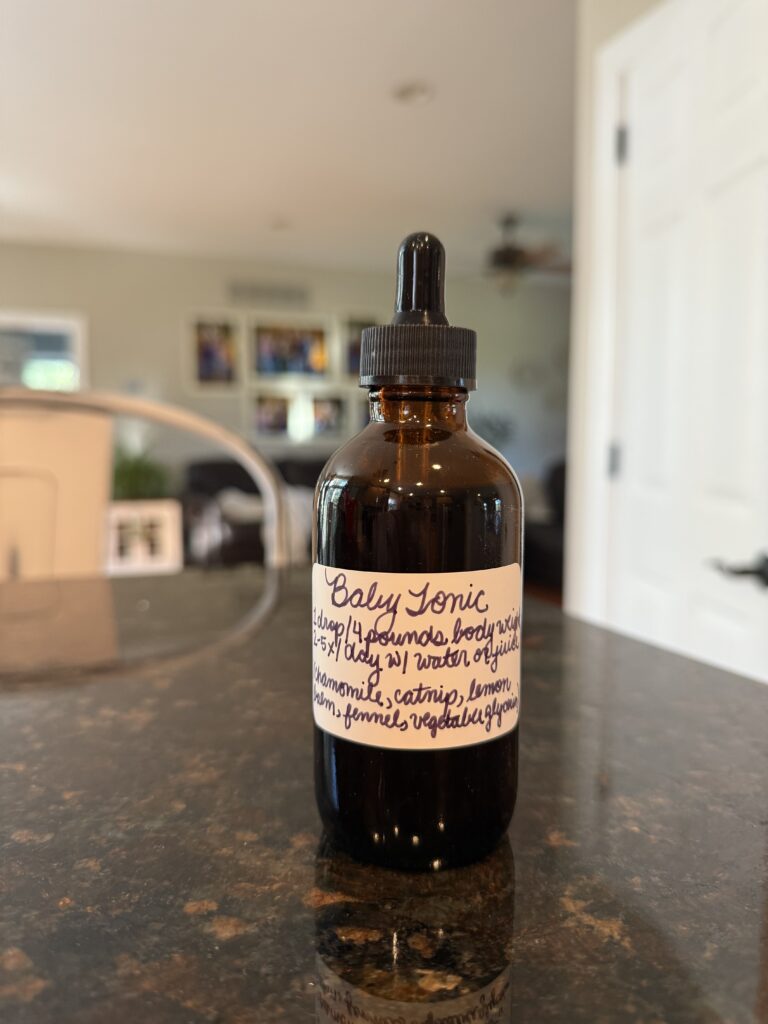
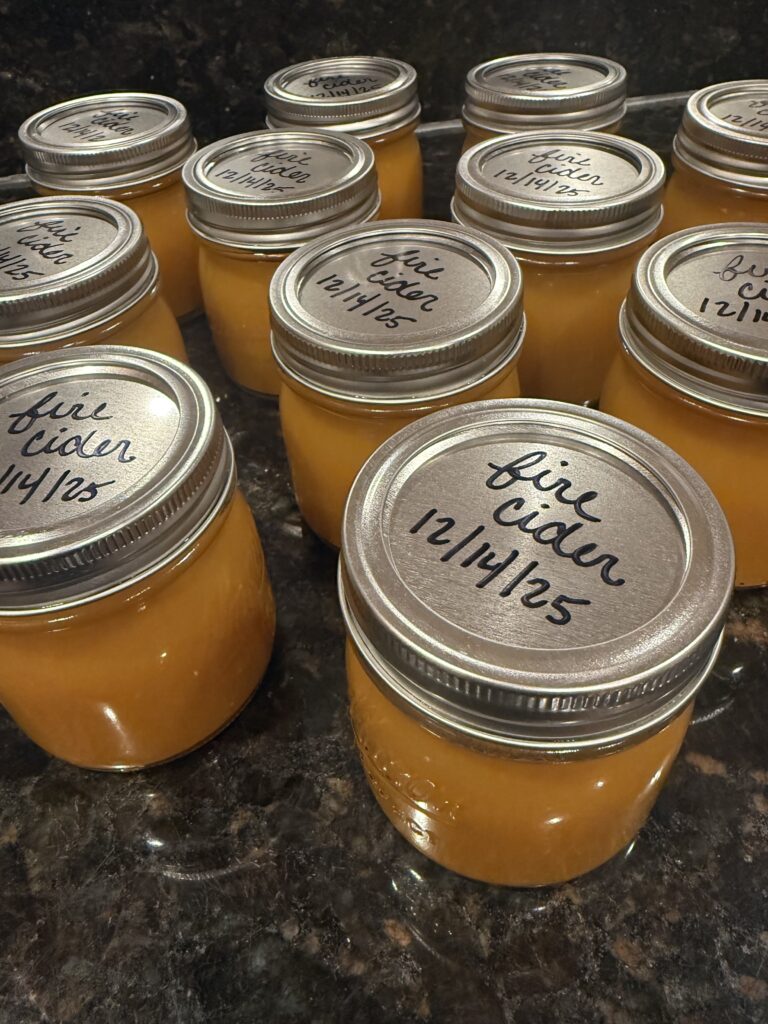
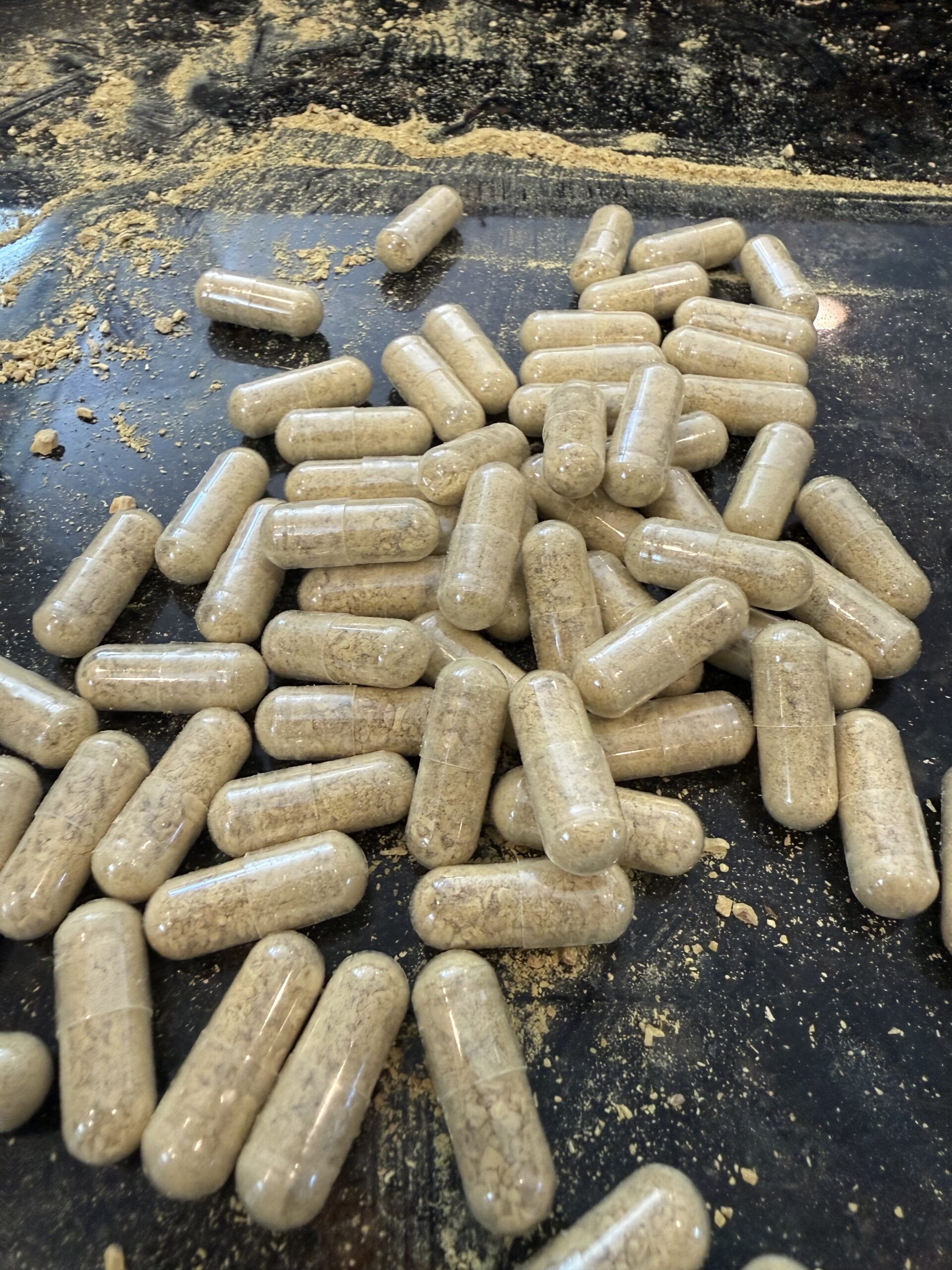
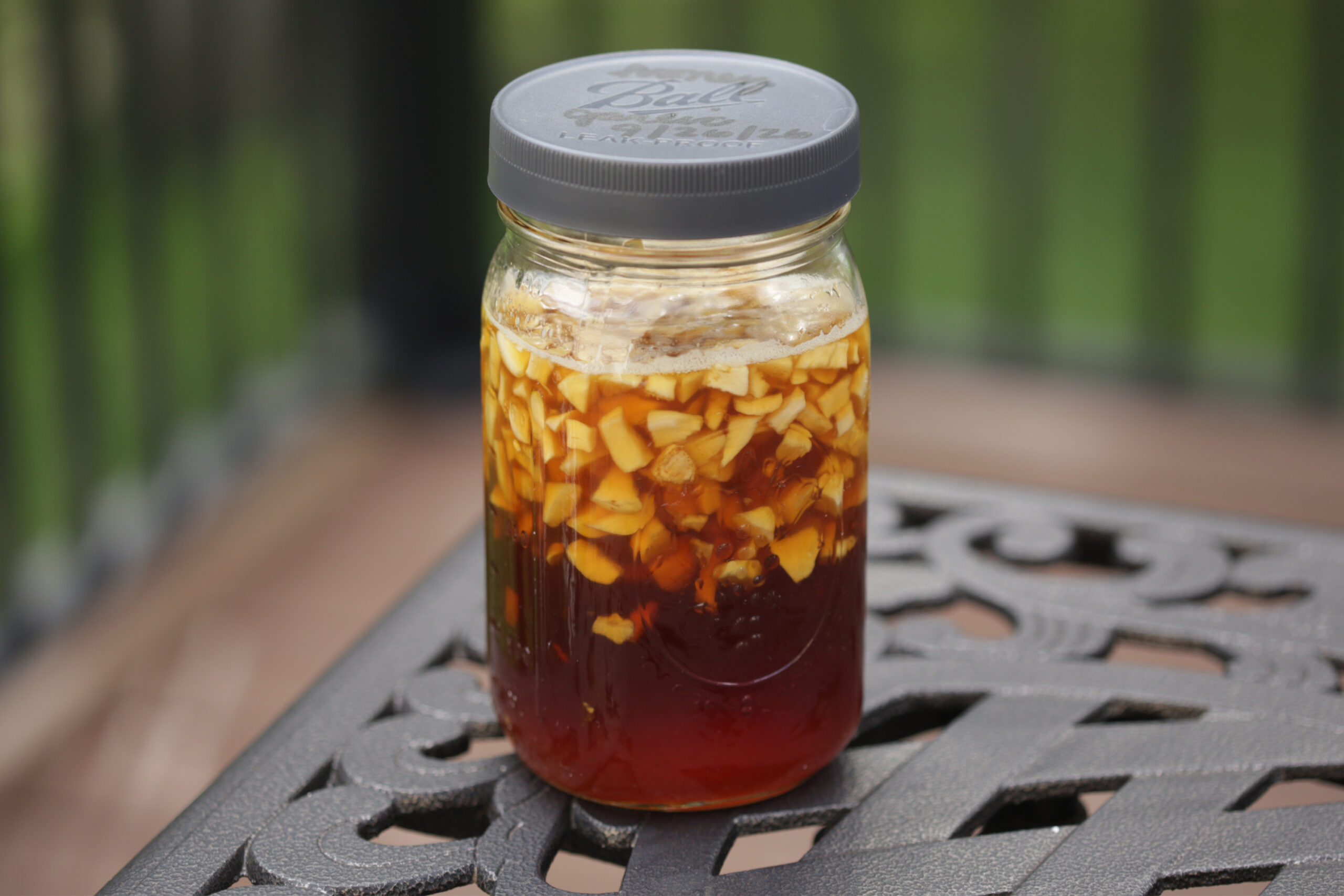
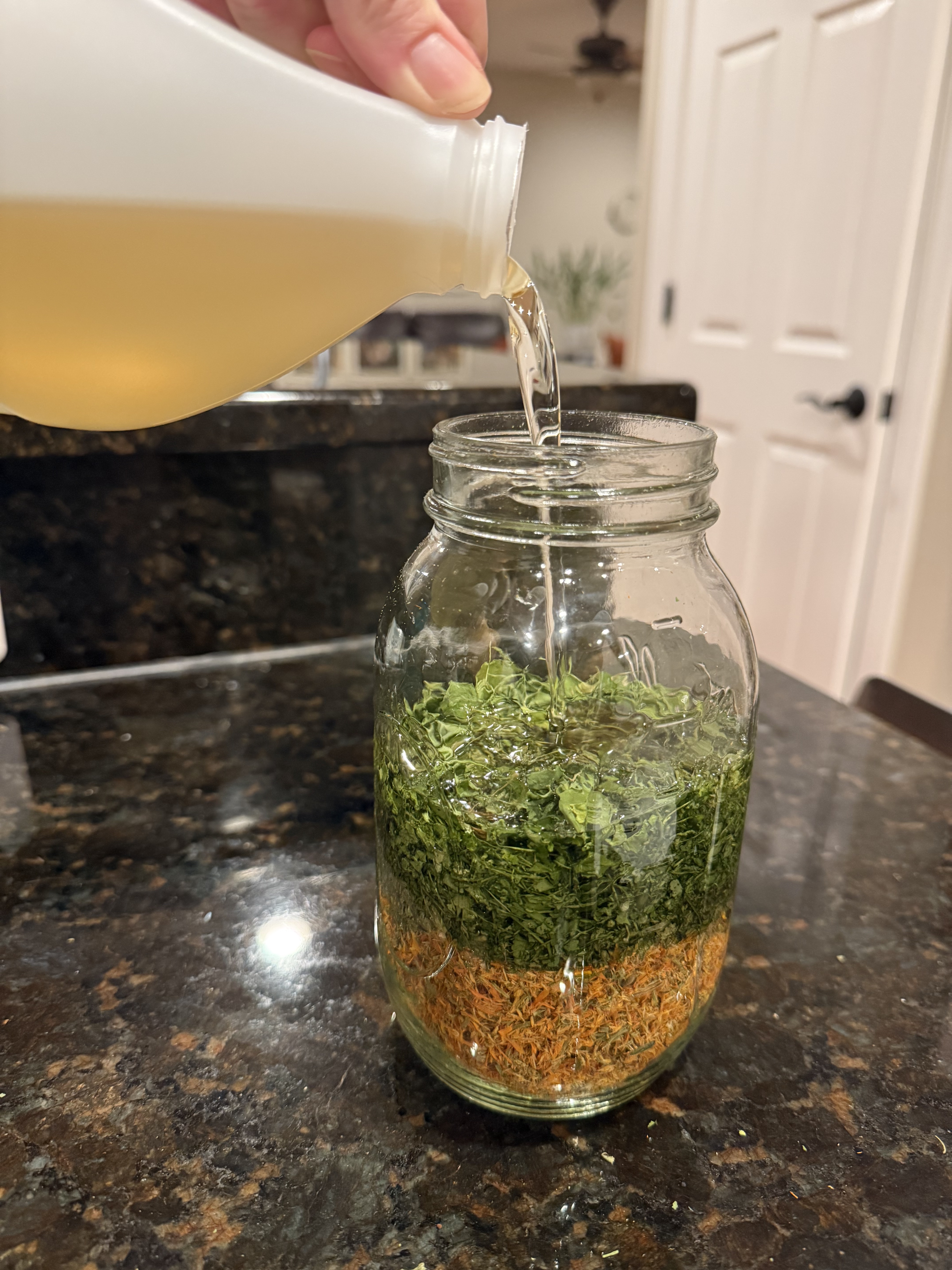
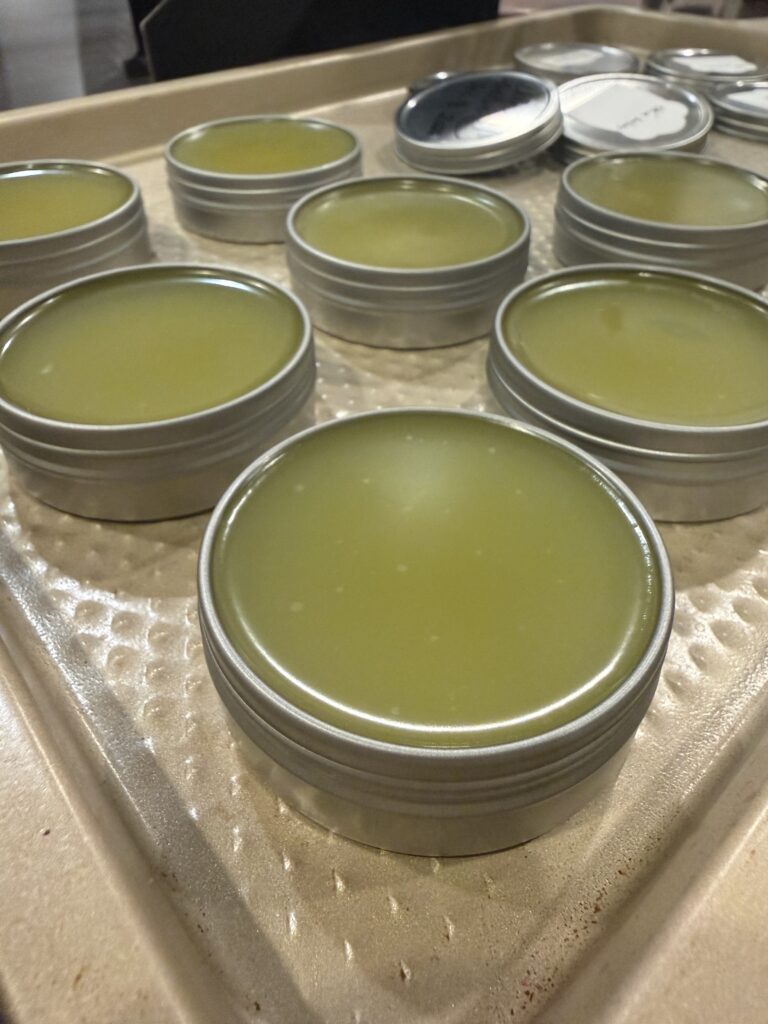
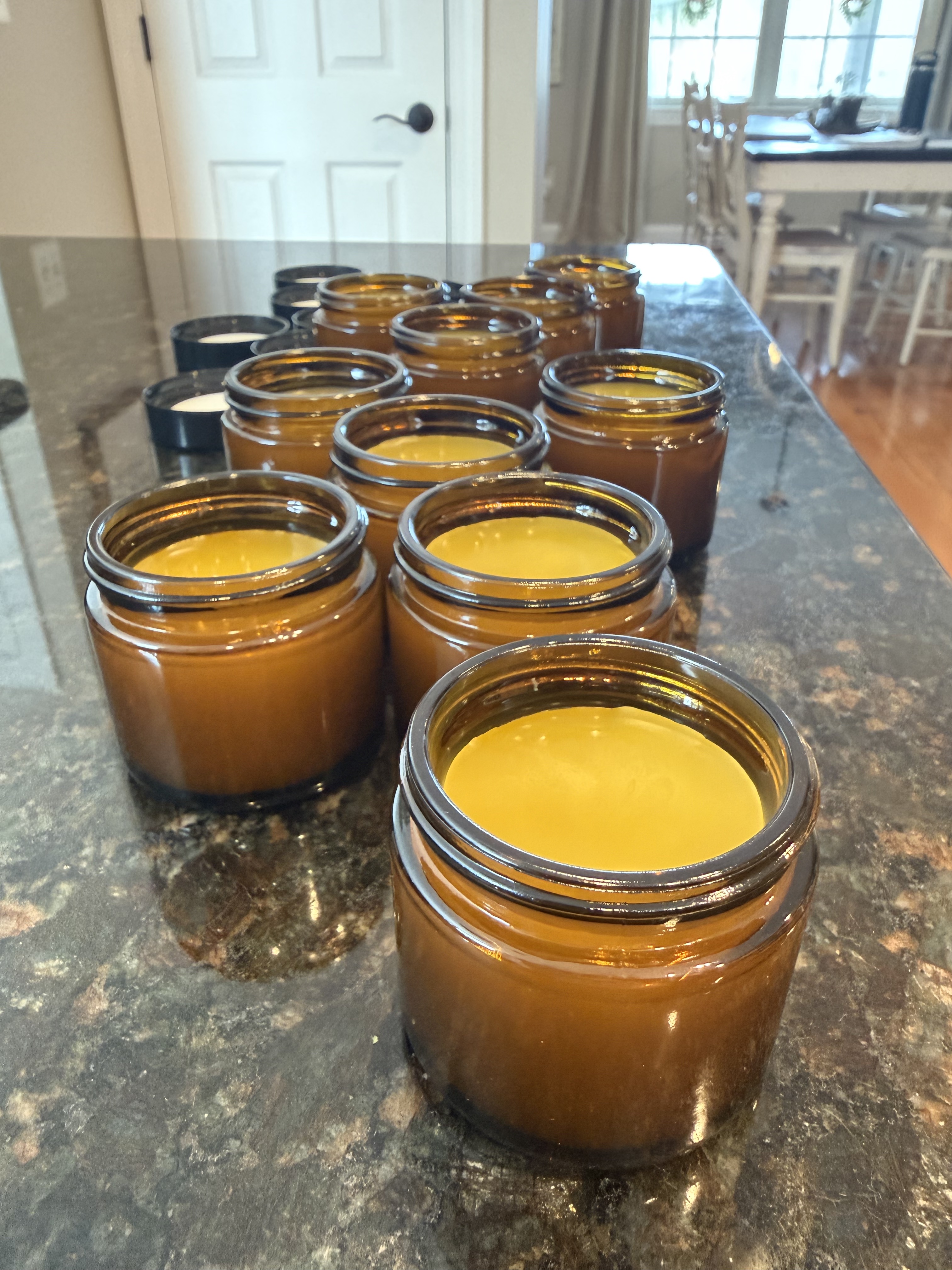
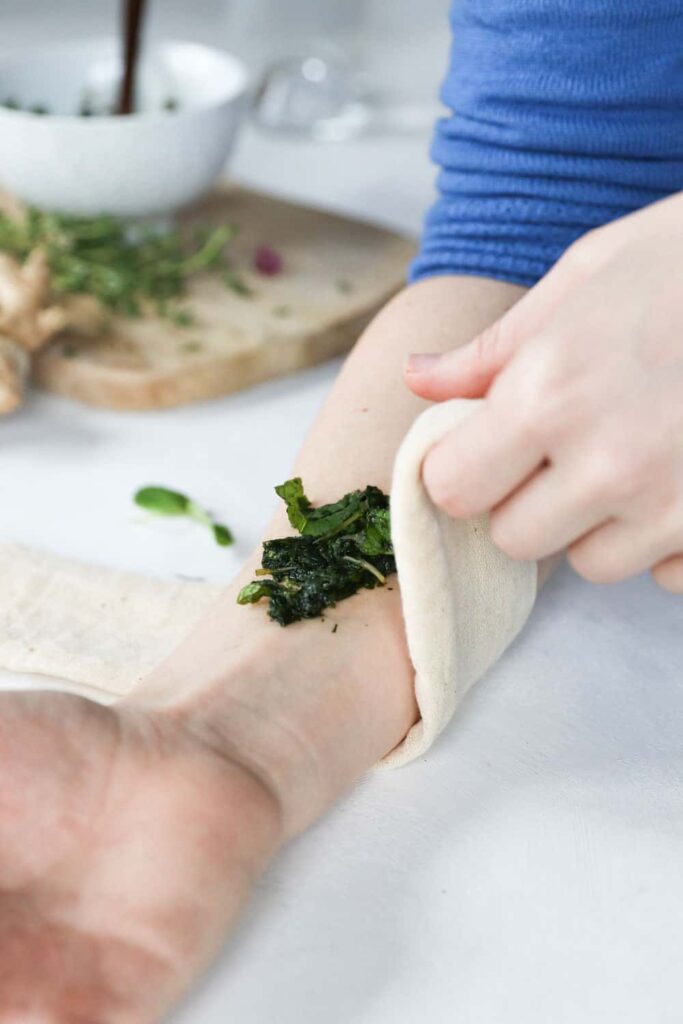
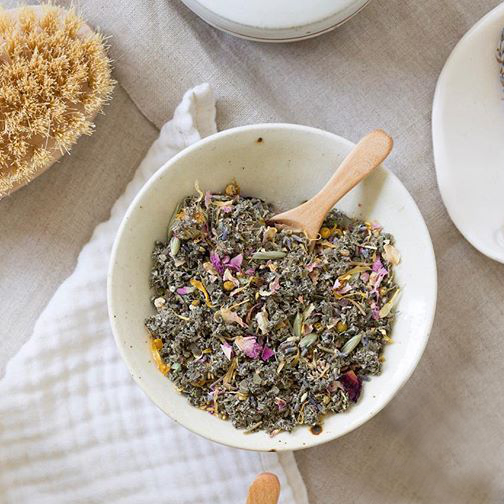
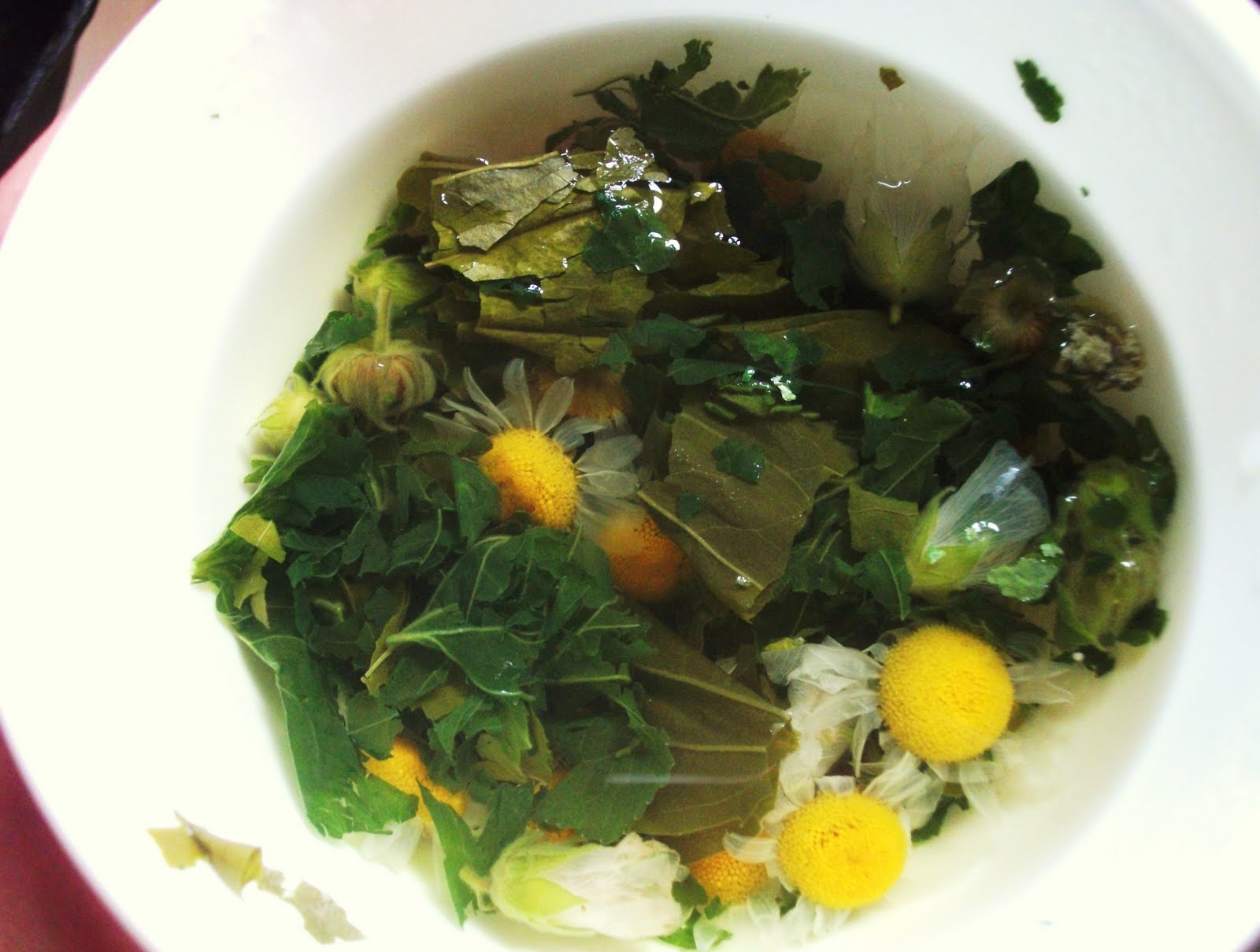
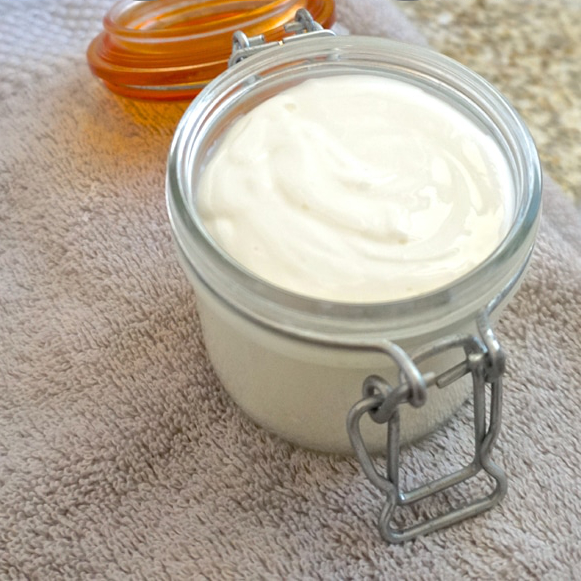
There are so many ways to use herbs! People often think of herbal teas or tinctures, but there many other possibilities! Below you’ll find common types of herbal preparations. Clicking on each link will provide you with more information about how to make and use each preparation. (I am adding content as time allows, so all links do not work – yet!)
Internal USe


External USe
materia Medica
The links below provide information about the uses of herbs I have either personally cultivated in my garden, foraged on my property, or used in herbal preparations. I am adding herbs as time allows, so check back often!
alterative, anti-inflammatory, antimicrobial, diuretic, expectorant, febrifuge, lymphatic, nutritive, vulnerary
More Info
anti-inflammatory, antimicrobial, antispasmodic, anxiolytic, bitter, carminative, nervine, sedative, vulnerary
More Info
alterative, antimicrobial, antispasmodic, carminative, diaphoretic, expectorant, immune stimulant
More Info
antimicrobial, anti-inflammatory, astringent, carminative, diaphoretic, diuretic, expectorant, styptic
More info
analgesic, antidepressant, antimicrobial, antioxidant, axiolytic, carminative, diaphoretic, nervine
More info
anti-inflammatory, antispasmodic, demulcent, diuretic, expectorant, immunomodulant, vulnerary
More info
alterative, anti-inflammatory, antimicrobial, antioxidant, demulcent, expectorant, lymphatic, nervine, nutritive
More Info
Herbal Actions
Herbal actions are the different types of effects and influences that herbs have on the body. I often refer to them as “qualities” or “properties.” Most herbs exhibit multiple actions and understanding them makes it easier to identify the right herbs for the given situation. This is not an exhaustive list, but below you’ll find definitions and examples of herbs for each action below.
Actions:
- Adaptogen
Adaptogens aid the body through a non-specific boost in resistance to external stressors, support the body’s ability to adapt to change, and may stimulate or modulate immunity.
Examples = ashwagandha, astragalus, gotu kola, tulsi
- Alterative
Alterative herbs generally nourish and restore the body systems associated with nutrient assimilation and waste removal.
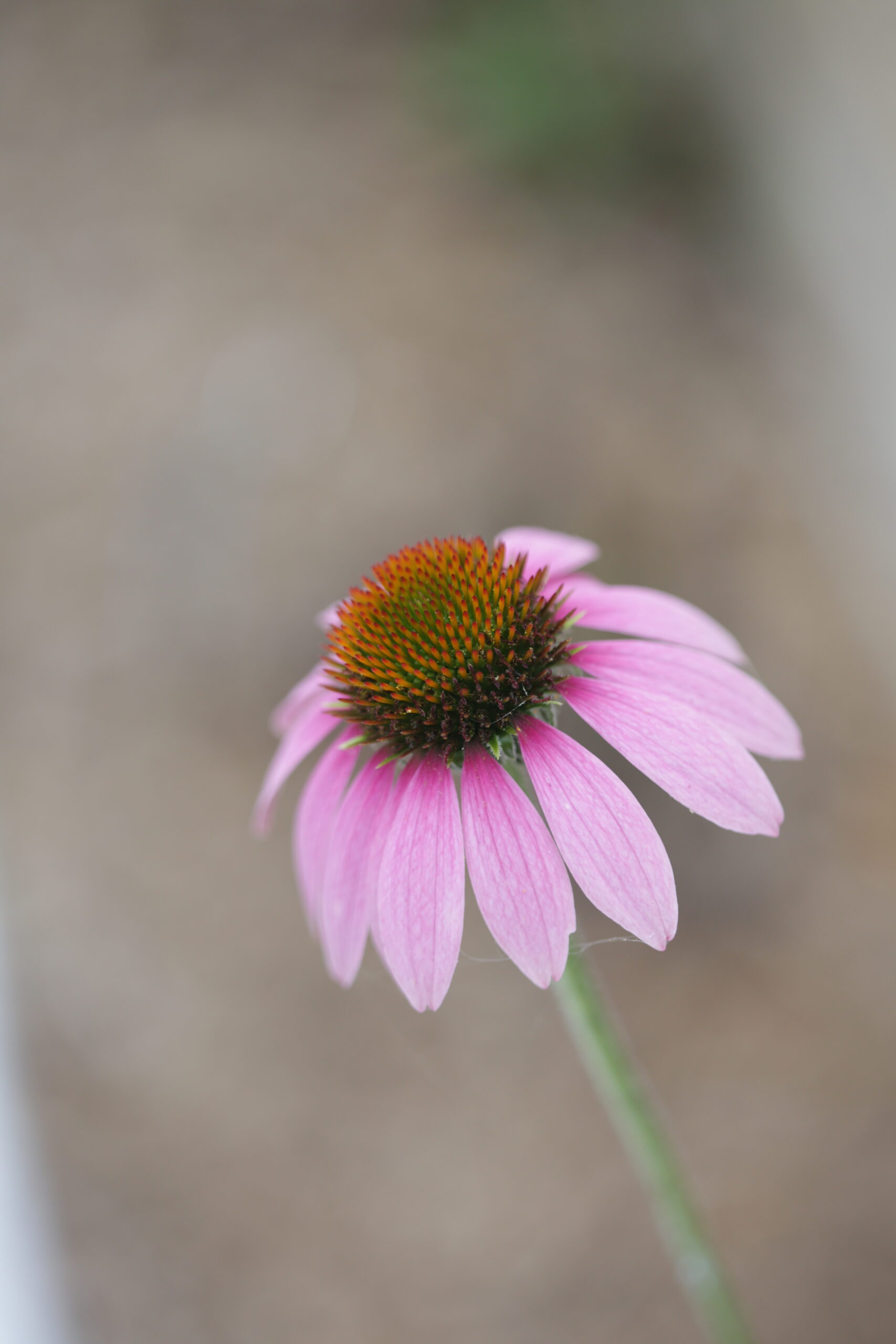
Examples = bee balm, black pepper, cleavers, chickweed, dandelion, echinacea, elder, garlic, gotu kola, plantain, stinging nettle, tulsi, turmeric, violet
- Analgesic
Analgesics are herbs that diminish pain without inducing unconsciousness. They are commonly used for headaches, cramps, toothaches, arthritis, and other causes of pain.
Examples = aloe vera, arnica, cayenne, clove, echinacea, elder, lemon balm, peppermint, rosemary, willow bark
- Anticatarrhal
Anticatarrhals are herbs that thin mucus and promote the flow of mucus/phlegm associated with conditions like allergies, colds, or flu. They are mainly used to support ear, nose, and throat symptoms.
Examples = black pepper, catnip, garlic, goldenrod, ginger, sage, thyme, yarrow
- Anxiolytic/anti-depressant
Anxiolytics and anti-depressants are herbs that support and reduce symptoms of anxiety and depression by promoting relaxation and easing symptoms.
Examples = ashwagandha, catnip, elderflower, lavender, lemon balm, passionflower, rosemary, tulsi
- Antihistamine/anti-allergenic
Antihistamines and anti-allergenics are herbs that reduce allergy symptoms by blocking the release of histamine and reducing inflammation.
Examples = marshmallow root, stinging nettle
- Anti-inflammatory
Anti-inflammatories are herbs that help reduce inflammation in the body through various mechanisms, supporting the natural healing process without completely inhibiting it.
Examples = aloe vera, arnica, astragalus, bee balm, black pepper, calendula, cinnamon, cleavers, chamomile, chickweed, elder, eucalyptus, garlic, ginger, gotu kola, hawthorn, lavender, marshmallow root, mullein, plantain, raspberry leaf, rosemary, sage, thyme, turmeric
- Antimicrobial - antibacterial, anti-fungal, antiviral
Antimicrobials are herbs that aid the body in destroying or resisting pathogens. Antimicrobials are further divided into more specific categories (such as antibacterial, antiviral, antifungal, etc.) depending on the pathogens against which they are effective.
Examples* = aloe vera (B,V), bee balm, black pepper, calendula (F,B,V), cinnamon (B,F), chickweed (B,V), clove (F,V), echinacea (B,V), elder (V), eucalyptus, garlic (F,V), ginger (V), lavender (F,V), lemon balm (B,V), oregano (F,B,V), peppermint, plantain (B,F), rosemary (F,B), sage, sweet basil. thyme (B,V), tulsi
*B = antibacterial, F = anti-fungal, V = antiviral (if there is no designation, it is a generalized antimicrobial) - Antiseptic
Antiseptics are herbs that inhibit growth of harmful microorganisms like bacteria and fungi. They are great ingredients in DIY cleaners and can be used topically on the body.
Examples = arnica, cayenne, clove, plantain, rosemary, thyme
- Antioxidant
Antioxidants are herbs hat prevent damage from free radicals, molecules in the body that can cause damage to healthy tissues and cells. Free radicals form in the body when we are exposed to environmental & dietary toxins, waste products of our own metabolism, and ultraviolet radiation.
Examples = astragalus, black pepper, cinnamon, clove, elder, hawthorn, lemon balm, marshmallow root, oregano, raspberry leaf, rosemary, sage, thyme, tulsi, turmeric
- Antispasmodic
Antispasmodics are herbs that relax muscle spasms and tension.
Examples = bee balm, calendula, chamomile, clove, eucalyptus, garlic, ginger, lavender, lemon balm, marshmallow root, mullein, passionflower, peppermint, raspberry leaf, rosemary, sweet basil, thyme, tulsi
- Aromatic
Aromatics are herbs that have a strong and often pleasant aroma. The oil-based aroma can stimulate and relax the body via the digestive and/or nervous systems, and is the basis for much of aromatherapy.
Examples = black pepper, cinnamon, clove, lemon balm, oregano, peppermint, rosemary, thyme
- Astringent
Astringents are herbs that cause tissues to tighten, typically due to high tannin content.
Examples = calendula, cinnamon, cleavers, clove, elder, eucalyptus, hawthorn, plantain, raspberry leaf, sage, stinging nettle, thyme
- Bitter
Bitter herbs have a bitter taste and stimulate the release of digestive enzymes through a taste bud reflex, which promotes digestion and assimilation of nutrients. They can also help the liver with detoxification and can support digestive/gut health.
Examples = aloe vera, chamomile, dandelion, peppermint, sage, wormwood, yarrow
- Carminative
Carminatives aid the body in expelling gas and soothe intestinal discomfort. Carminatives are typically high in aromatic oils and are useful in a variety of digestive complaints.
Examples = bee balm, black pepper, cinnamon, chamomile, clove, garlic, ginger, lavender, lemon balm, oregano, peppermint, rosemary, sage, sweet basil, thyme, tulsi
- Circulatory stimulant/cardiotonic/vasodilator
Circulatory stimulants are herbs that stimulate the flow of blood throughout the body.. Cardiotonics are herbs that strengthen, support and restore function of the cardiovascular system. Vasodilators are herbs that dilate blood vessels and improve circulation, potentially reducing blood pressure.
Examples* = astragalus, black pepper, cayenne, cinnamon, clove, ginger, gotu kola, hawthorn, sage, tulsi
*S = circulator stimulant, C = cardiotonic, V = vasodilator - Decongestant
Decongestants are herbs that relieve nasal congestion by lowering inflammation and reducing mucus production.
Examples = elder, eucalyptus, ginger, peppermint
- Demulcent
Demulcents are herbs that soothe and protect irritated, damaged, or inflamed tissues. They typically have a slimy or gooey texture and are used internally for sore throats, lung irritation, and gut or urinary tract inflammation.
Examples = aloe vera, calendula, cinnamon, cleavers, chickweed, marshmallow root
- Diaphoretic
Diaphoretics are herbs that, when taken hot, induce perspiration. Diaphoretics are used to encourage fevers to “break” and to aid the body in expelling pathogens through the skin.
Examples = bee balm, black pepper, calendula, cayenne, cinnamon, clove, elder, eucalyptus, garlic, ginger, lemon balm, oregano, peppermint, rosemary, sage, sweet basil, thyme
- Digestive stimulant/digestive tonic/laxative/anti-diarrheal
Digestive stimulants are herbs that stimulate proper function of the digestive system. Digestive tonics are herbs that strengthen, support, and restore healthy function of the digestive system. Laxatives are herbs that stimulate the movement of the bowels.
Examples* = aloe vera (L), bee balm (T), black pepper (S), cayenne (S), cinnamon (S), chickweed (L), dandelion (S, L [mild]), plantain (L), raspberry leaf (D)
*S = stimulant, T = tonic, L = laxative, D = anti-diarreal - Diuretic
Diuretics are herbs that increase the flow of urine. Increased urine flow is useful in conditions such as water retention, kidney stagnation, and urinary tract infections.
Examples = bee balm, black pepper, cayenne, cleavers, chickweed, dandelion, garlic, gotu kola, marshmallow root, plantain, rosemary, stinging nettle, thyme
- Emollient
Emollients are herbs that soften, soothe, and protect the skin. They are the skin’s version of a demulcent.
Examples = aloe vera, chickweed, marshmallow root, plantain
- Expectorant
Expectorants are herbs that help expel excess or stuck mucus from the respiratory system. They are used for colds, flu, or other sources of lung congestion. They are particularly helpful for dry, irritating, non-productive coughs.
Examples = black pepper, clove, eucalyptus, garlic, marshmallow root, mullein, oregano, plantain, sage, thyme, tulsi
- Hepatic/heptoprotective
Hepatics are herbs that support the function and overall health of the liver in a variety of ways and hepatoprotectives protect the liver from damage/support recovery from damage.
Examples = astragalus, black pepper, calendula, dandelion, marshmallow root, turmeric
- Hypoglycemic
Anti-glycemic herbs help to promote balanced blood glucose levels and support improved insulin sensitivity.
Examples = ashwagandha, astragalus, cinnamon, clove, tulsi
- Immune stimulant/modulant/tonic
Immune stimulant herbs stimulate the immune system and are especially helpful when taken at the onset of illness. Immune modulant herbs generally tone and strengthen the immune system. Immune tonic herbs generally nourish and support healthy immune function.
Examples* = arnica (S), ashwagandha (S), astragalus (M), calendula (T), cleavers (M), echinacea (S,M), elder (S), garlic (S), gotu kola (S), plantain (S,M), tulsi (M)
*S = stimulant, M = modulant, T = tonic - Lymphatic
Lymphatics are herbs that can increase lymphatic flow moving fluid and protein away from areas of inflammation so that fresh lymph (rich in oxygen and nutrients needed for tissue repair) can replace it, playing a vital role in helping the body fight infection and relieve inflammation, swollen glands, and edema, while supporting the health of the body as a whole.
Examples = calendula, cleavers, chickweed, bee balm, sweet basil
- Nervine
Nervines are herbs that can have a nourishing, calming, or stimulating effect on the nervous system. They are used to support anxiety, panic, nervous tension, and headaches.
Examples = ashwagandha, bee balm, cleavers, chamomile, gotu kola, hawthorn, lavender, lemon balm, passionflower, peppermint, rosemary, sage, sweet basil, thyme, tulsi
- Neuroprotective
Neuroprotectives are herbs that protect the brain and nervous system from damage, often by lowering inflammation and promoting nerve health.
Examples = astragalus, gotu kola, marshmallow root, sage, tulsi
- Nutritive
Nutritives are herbs that provide essential nutrients, containing high amounts of vitamins and minerals. Nutritives nourish the body and support overall health.
“Let thy food by thy medicine.” – Hippocrates
Examples = cleavers, chickweed, dandelion, marshmallow root, plantain, raspberry leaf, stinging nettle
- Radioprotective/anti-tumor
Radioprotectives are herbs that reduce harmful effects of radiation on the body. Anti-tumor herbs support the fight against tumor growth.
Examples = astragalus, black pepper, cleavers, ginger, lavender, lemon balm, plantain, rosemary, tulsi
- Sedative
Sedatives are herbs that calm the nervous system, can reduce stress and nervousness throughout the body, and promote restful sleep.
Examples = ashwagandha, chamomile, lavender, passionflower
- Tonic
Tonics are herbs that strengthen the body through a general energizing & restoring effect or through specific affinities for certain organs. Some tonics are generalized for use in the whole body, other tonics have affinities for specific organs:
ashwagandha (adrenal)
astragalus (immune & lung)
bee balm (digestive)
cleavers
dandelion (liver)
gotu kola (connective tissue)
hawthorn (heart)
lavender
lemon balm
mullein (lung)
oregano
plantain (connective tissue)
raspberry leaf (uterine)
rosemary (brain)
sage
tulsi
turmeric (liver) - Vulnerary
Vulneraries are herbs that have an affinity for the skin. They are anti-inflammatory and support wound healing.
Examples = aloe vera, arnica, calendula, chamomile, chickweed, elder, gotu kola, plantain, turmeric
“Then the angel showed me the river of the water of life, bright as crystal, flowing from the throne of God and of the Lamb through the middle of the street of the city; also, on either side of the river, the tree of life with its twelve kinds of fruit, yielding its fruit each month. The leaves of the tree were for the healing of the nations.” -Revelation 22:1-2
Wellness Consultation | 30 mins | Free
Want to become good stewards of your family’s health and get started with using herbs? Schedule a free call with me so we can discuss your wellness goals and how herbs can best support you. I can either give you a few recommendations or we can discuss a longer-term plan to work together so I can be available on an ongoing-basis for support.