Foraging for Chickweed
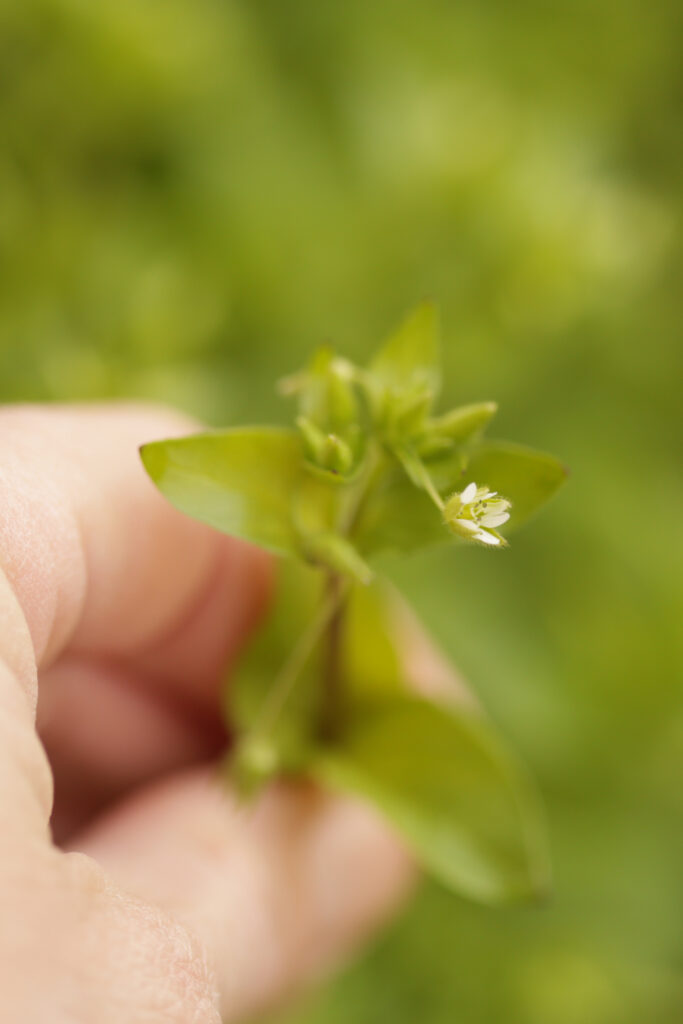
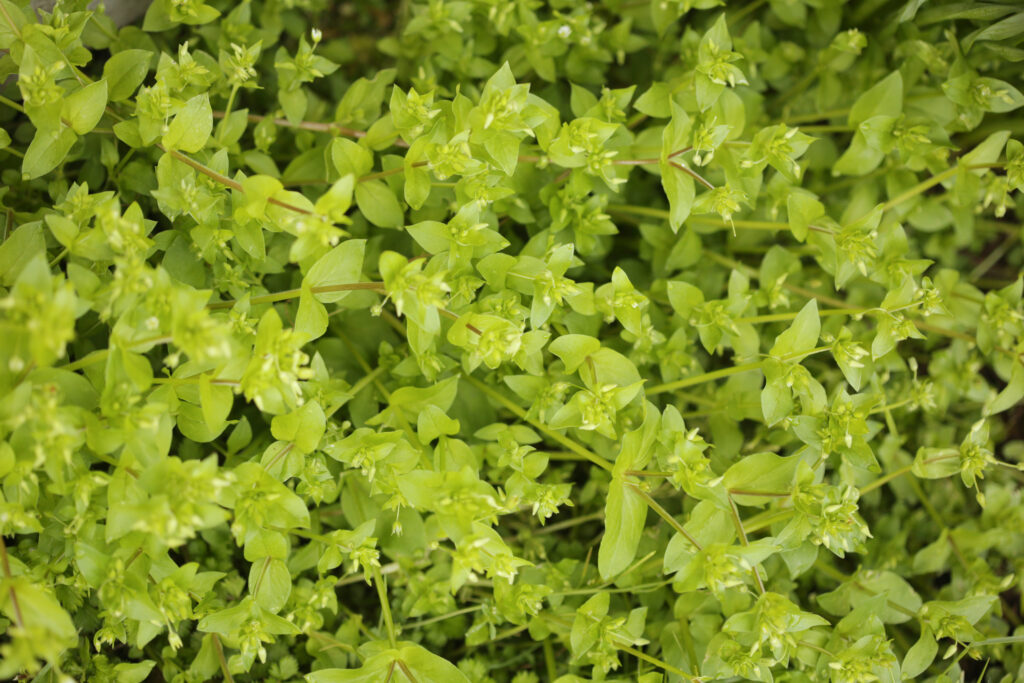
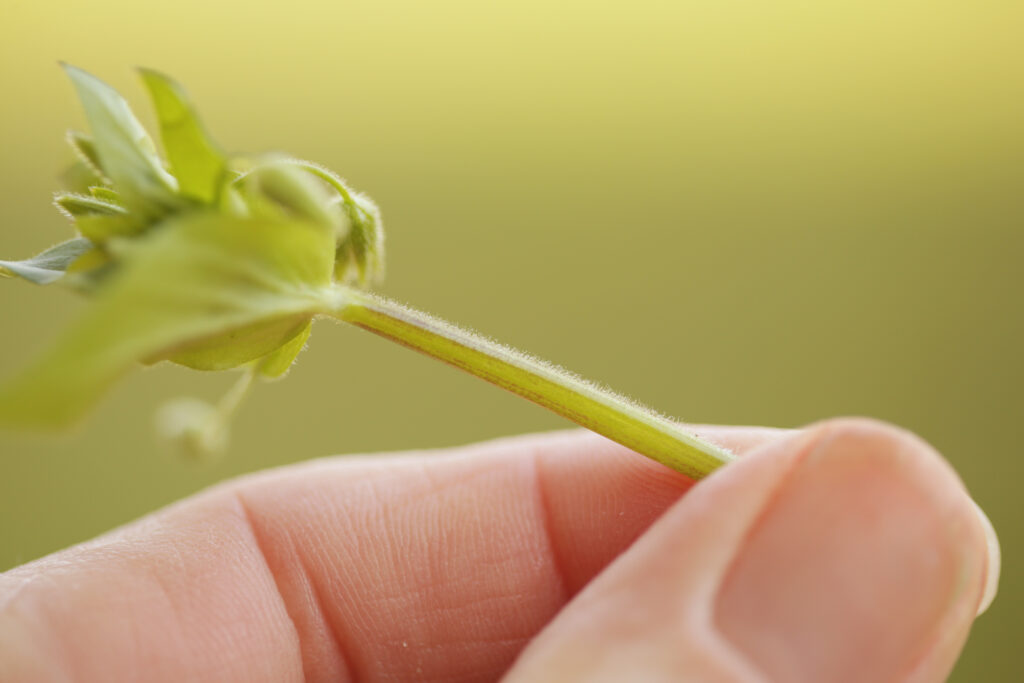
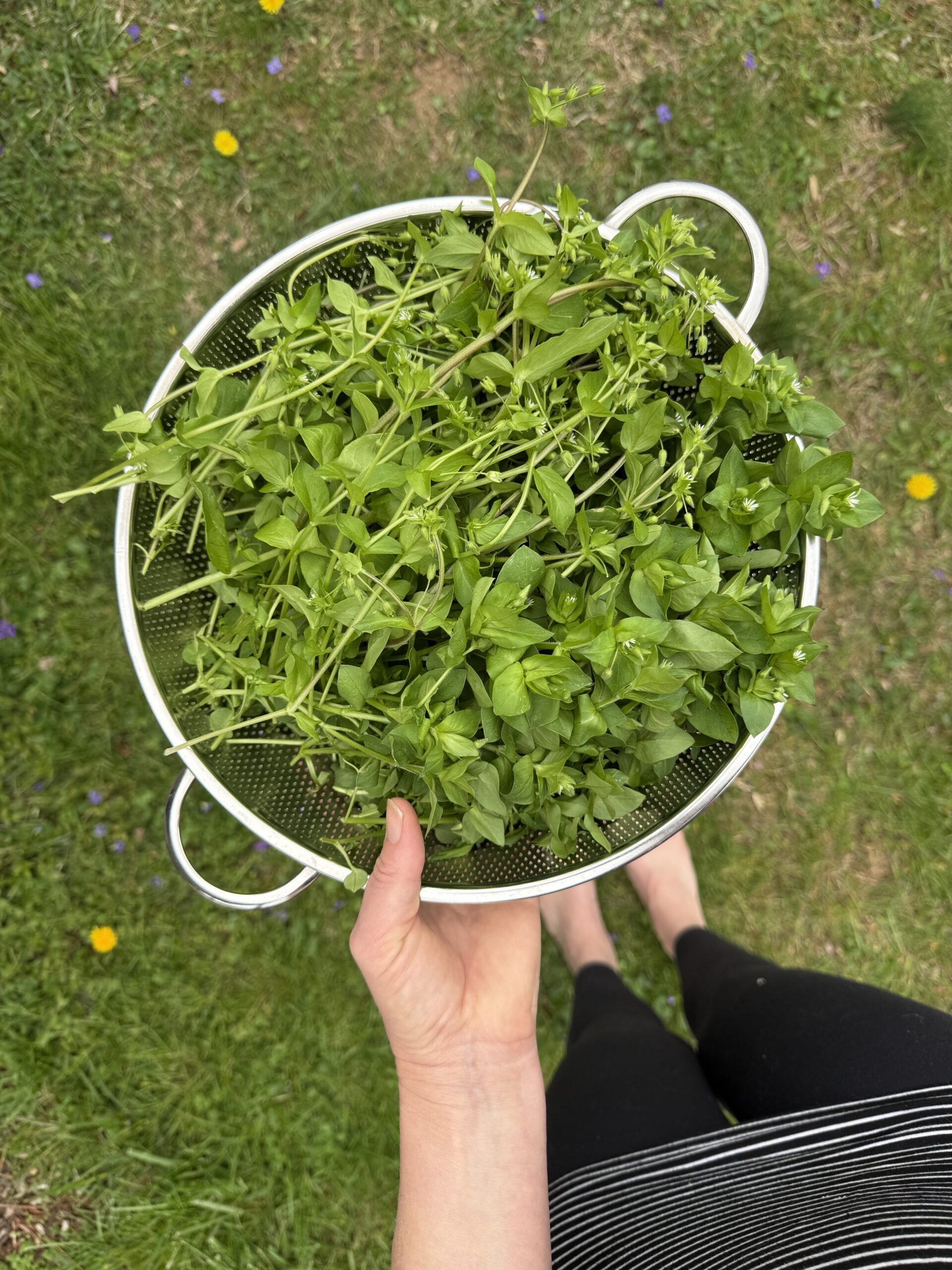
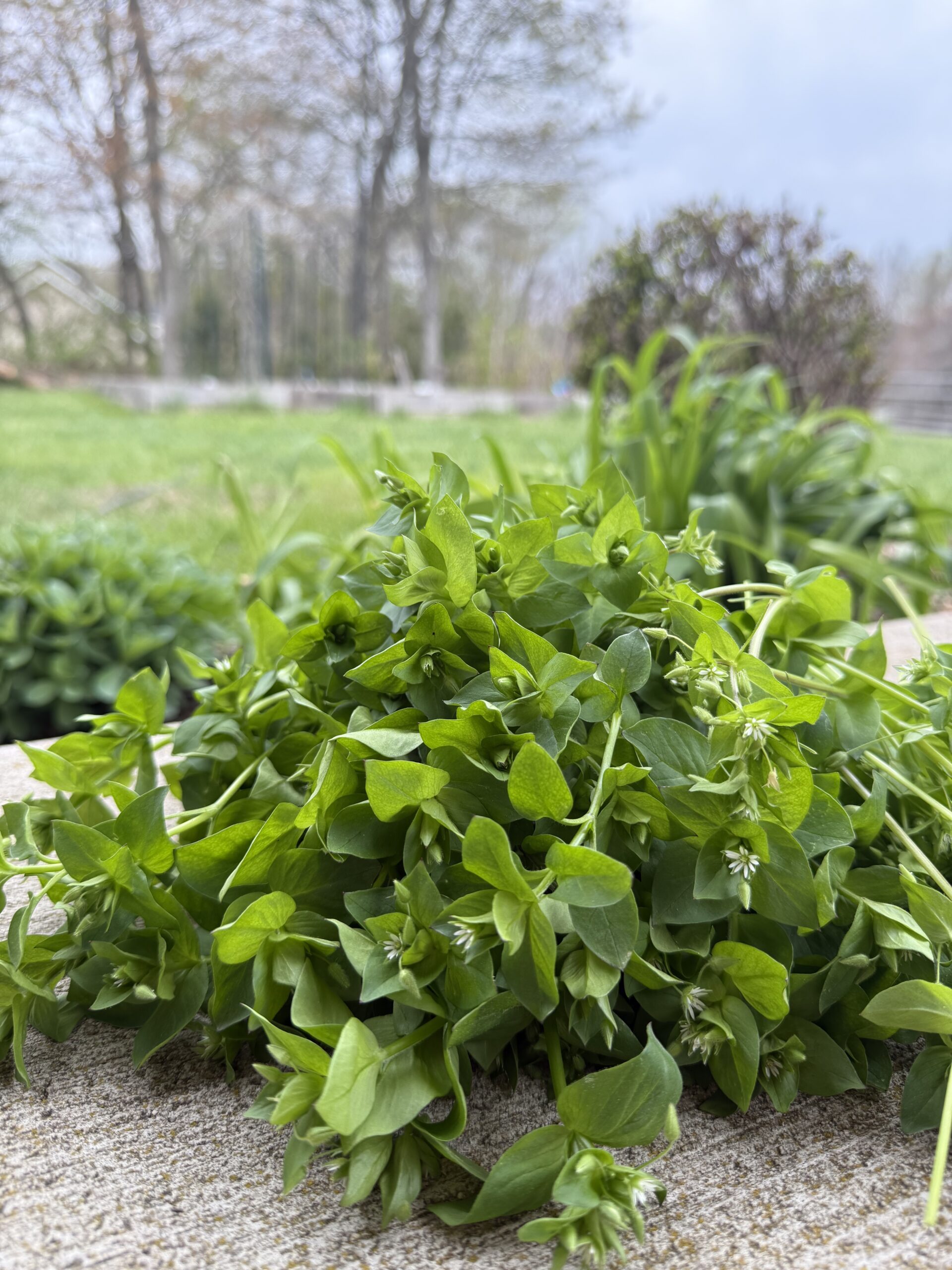
I can always tell warmer weather is on the way when I start seeing patches of chickweed (stellaria media) sprouting up! It’s a spring annual that favors shady areas, though I can often forage a second harvest in the fall when temperatures get cooler. I typically find it around the house and in the woods. Although it’s commonly considered a weed, it has so many great uses and shouldn’t be tossed! You can recognize chickweed by it’s tiny 5-petal star-shaped white flowers that open in the morning and close at night. The flowers can sometimes look like they actually have 10 petals, but that is only because the petals are deeply clefted. The leaves are small, 0.5-inch opposite oval pairs with pointed tips and the stems and leaves have tiny hairs on one side. Chickweed tends to spread out like a plush blanket and stays close to the ground.
When foraging chickweed, you want to make sure you get the right plant! I have had a lot of success with the PictureThis app, but you can always compare the plant to a field guide. There are two lookalikes to avoid. Scarlet pimpernel is easy to spot because it has orange or blue flowers (never white) and no hair on the stems. Hairy hemmed spurge has tiny, inconspicuous flowers and seeps a toxic white milky sap when broken (chickweed does have a sap but it is clear). Also, chickweed’s stem is elastic and stretchy when pulled, but hairy hemmed spurge breaks cleanly.
Now that we know how to identify chickweed, it’s time to learn about it’s benefits! Stellaria media is loaded with goodness.
Herbal qualities: alterative, anti-inflammatory, antibacterial, antimicrobial, antiviral, demulcent, diuretic, emollient, expectorant, febrifuge, laxative, lymphatic, nutritive, vulnerary.
Energetics: Cooling and moistening.
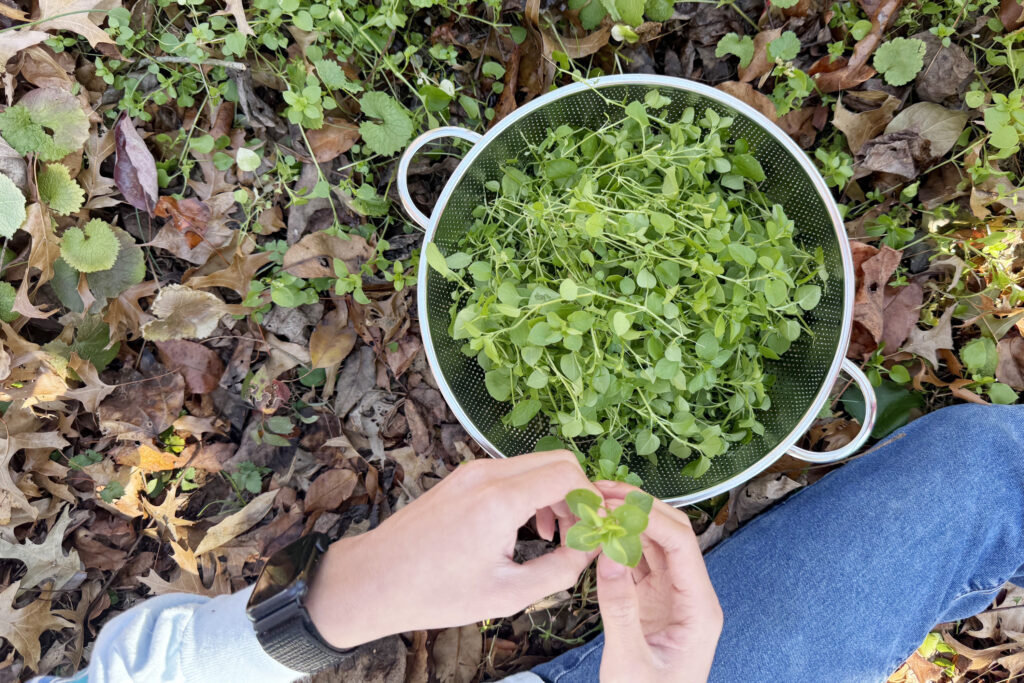
Nutritive. Known as a spring tonic that helps the body regain vitality after the winter, it is loaded with nutrients and makes a delicious addition to salads (Gladstar, 2012), and it can also be juiced. Loaded with “beta-carotene, calcium, fiber, iron, magnesium, niacin, phosphorus, potassium, vitamin C, and zinc” (Forêt, 2020, p. 80) as well as antioxidants (Lim, et. al, 2008), it packs a lot of nourishment! On top of that, its moistening and cooling properties makes it soothing for joints and bodily inflammation.
Lymphatic support. Chickweed is a fabulous lymph mover, especially in cases of stagnation or swollen lymph nodes (Forêt, 2020). It can also support movement of toxins, infections, mucus, and bacteria, as well as elimination of cysts and and lumps.
Skin support. Chickweed is an excellent vulnerary and can soothe dry, itchy skin conditions like eczema, psoriasis, diaper rash, and contact dermatitis, and can also support healing from wounds and infections (Hoffmann, 2003), including herpes simplex virus-2 (Shan, et. al, 2013). It makes a wonderful salve or poultice, but it can also be tinctured to support the skin from the inside out. A spit poultice soothes insect bites and stings and can help move splinters to the surface.
Cough soothing. In cases of dry, irritated coughs, chickweed’s demulcent quality helps to soothe inflammation, and it’s expectorant properties can support the movement of stuck mucus (Forêt, 2020).
Preparations: Eating fresh, fresh tincture, infusion, infused oil, salve.
Cautions & considerations: Chickweed is best consumed fresh or tinctured fresh, but it can be dried for a salve. It is generally considered safe, allergy resulting in contact dermatitis is rare. Large doses may result in stomach upset or diarrhea, food doses are considered ok for pregnancy and lactation.
References
Forêt, R. de la, & Han, E. (2020). Wild remedies: How to forage healing foods and craft your own herbal medicine. Hay House, Inc.
Gladstar, R. (2012). Medicinal herbs: A beginner’s guide. Storey Publishing, LLC.
Hoffmann, D. (2003). Medical herbalism: The Science and practice of herbal medicine. Healing Arts Press.
Lim, B.O., Choi, S.H., Kim, E.K., Lee, S.J., Je, J.Y., Jeon, Y.J., Kim, B., Park, S.H., Moon, S.H., Jeon, B.T., Lee, K.H., Park, T.K., & Park, P.J. (2008). Antioxidant activity of enzymatic extracts from Stellaria dichotoma. Journal of Medicinal Food, 11(4), 723-32. https://europepmc.org/article/MED/19053866
Shan, Y., Zheng, Y., Guan, F., Zhou, J., Zhao, H., Xia, B., & Feng, X. (2013). Purification and characterization of a novel anti-HSV-2 protein with antiproliferative and peroxidase activities from Stellaria media. Academy of Biochemistry Biophysics Science (Shanghai), 45(8), 649-655.