What is “Ultra-Processed Food?”
With the new food guidelines recently being published, I’ve seen an uptick of social media discussions about minimizing ultra-processed foods (at least with my personal algorithms). Especially given that ultra-processed foods:
- account for 60% of American adults’ diets;
- are 67% of American children’s diets;
- make up 73% of available food in U.S. grocery stores; and
- are 50% of grocery store purchases in the U.S.,
It is important to understand what is actually defined as ultra-processed. Thankfully, the NOVA Classification System of food makes is extremely clear, as they distinguish food into four distinct categories. Let’s talk about what they are!
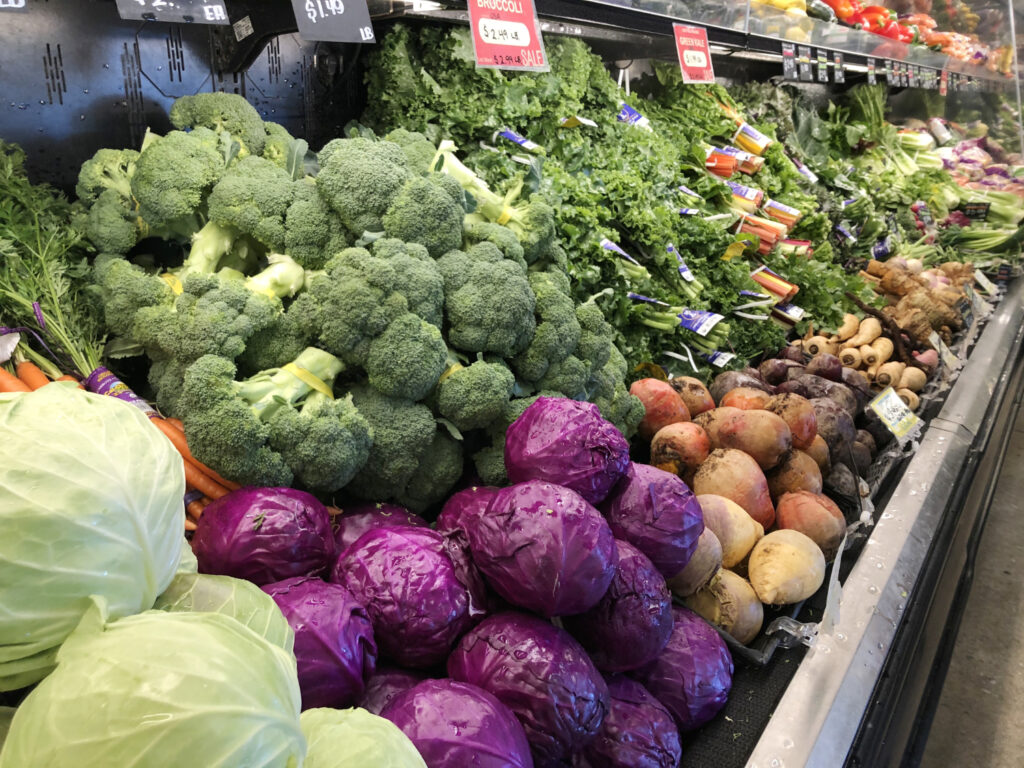
Category I | Unprocessed or minimally processed. These are whole foods in their original form with zero added ingredients, not even salt. According to Good Energy, “minimally processed” can include “washing, crushing, grinding, filtering, roasting, canning, boiling, vacuum sealing, freezing, nonalcoholic fermentation, pasteurization, or placing in containers” (Means & Means, 2024), but nothing else. These foods are fresh and frozen fruits & veggies, nuts & seeds, raw meats & fish, eggs, whole grains like rice, oats, & wheat berries, and dried herbs & spices. Be careful with you choices of herbs & spices though, as many conventional brands are irradiated, which may alter nutrient content and create unhealthy byproducts (like formaldehyde). The takeaway here is that foods in their original forms are in Category I and should make up the majority of our diets.
One noted caveat to Category I – ECU Physicians also includes in Category I flours made from wheat, corn, or oats, as well as pastas. Although I appreciate that some flours and pastas may only include one ingredient and can be ok if organic, I really don’t agree with this categorization. I’d put most of them in Category II and some in Category III, but would suggest caution when consuming given the pre-harvest glyphosate spraying on all conventional U.S. wheat, as well as conventional GMO farming practices with corn in particular. Additionally, modern wheat is hybridized and stripped of its nutrient content. It spikes glucose levels in the body, which drives inflammation and metabolic dysfunction. Modern, conventionally-grown flours and pastas should certainly not make up the majority of our diets.
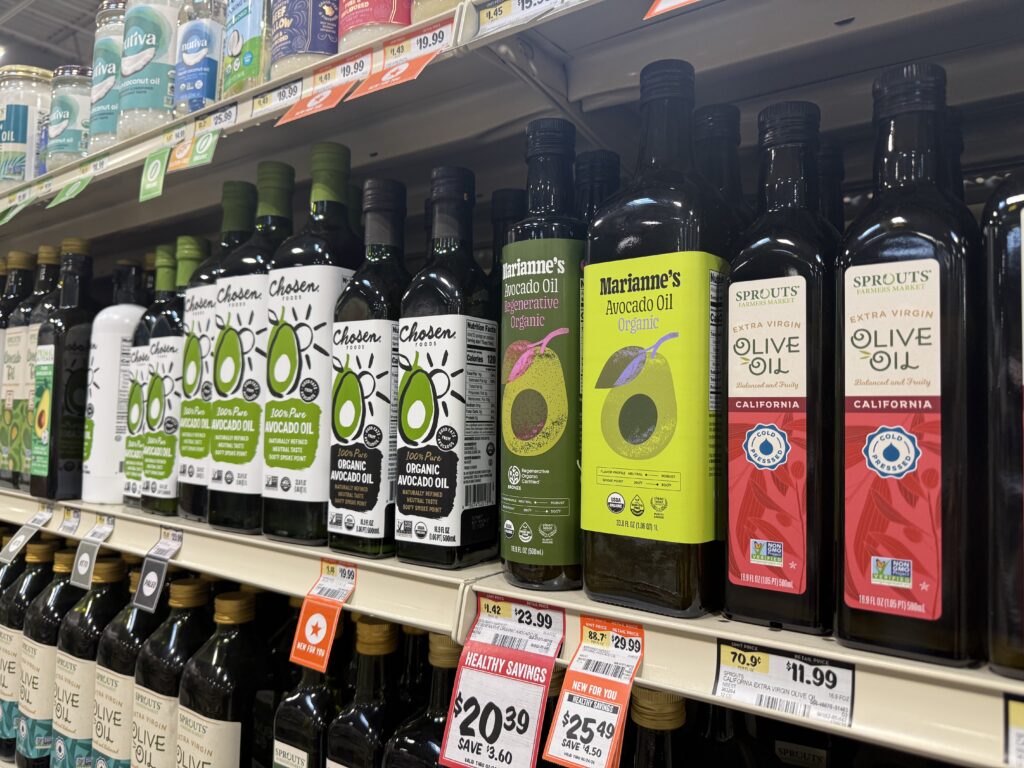
Category II | Processed culinary ingredients. These foods are ingredients that have been minimally processed and are usually not eaten by themselves. This does not include herbs and spices, which are considered Category I foods. They represent a good number of items we often buy in the grocery store – butter, oils, maple syrup, processed honey, salt, etc. They come from Category I foods through “milling, drying, pressing, grinding, crushing, and refining” (Means & Means, 2024). Although plenty of these foods are great and very good for overall health, seed oils like soy, safflower, corn, vegetable, flax, grapeseed, sunflower, and canola are highly inflammatory and should be avoided whenever possible. Soy and corn oils, specifically, are almost always made from GMO crops. Instead choose avocado or olive oil for your at-home cooking. Likewise, stick with grass-fed butter, real maple syrup, real salt that hasn’t been bleached, and unprocessed raw honey whenever possible. Always make sure to check the ingredients for sneaky additives.
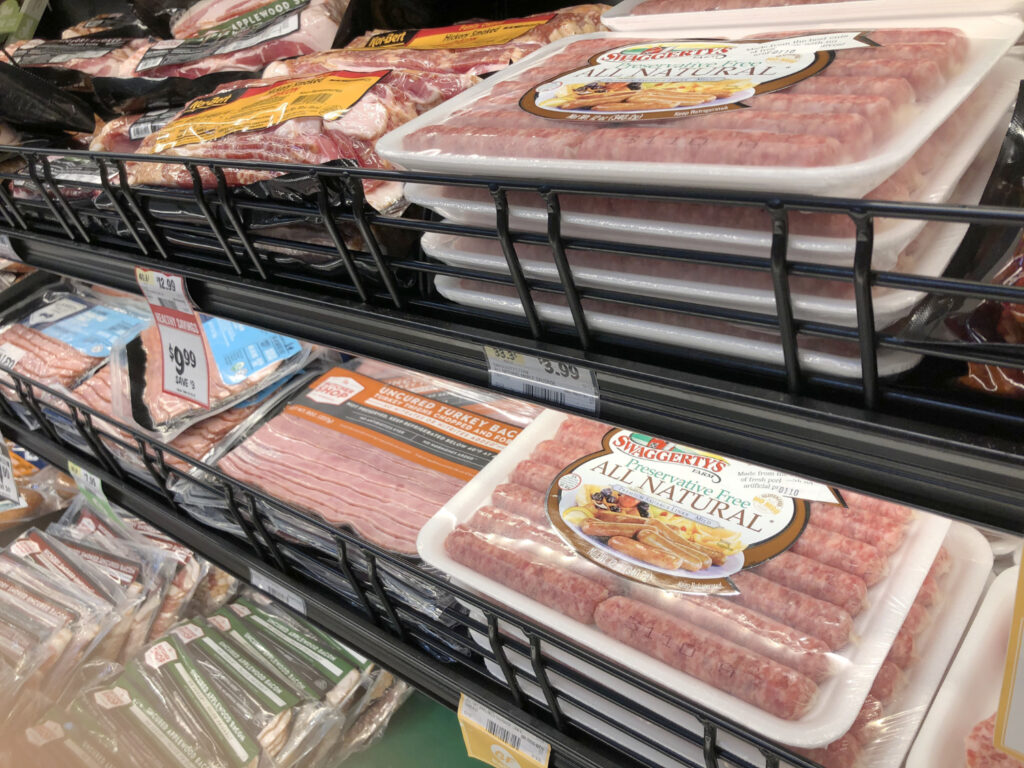
Category III | Processed foods. These foods are made by combining Cat I & II through preservation and cooking, with the intention of creating a longer shelf life. A lot of what we see at the grocery store falls into this category – canned foods, dairy products like cheese, fruit with added sugar, cured meats, canned fish, salted or sugared nuts, condiments, freshly made artisanal breads, etc. Some of these foods are perfectly reasonable additions to our diets and can be allies in our busy lives, but it’s important to read ingredient labels because lots of additives can hide in foods that appear healthy. These packages are also often greenwashed with confusing labels that make consumers think the food is healthier than it really is. You’ll want to watch for seed oils, added sugar, or lengthy ingredient lists that include chemicals you have to work hard to pronounce.
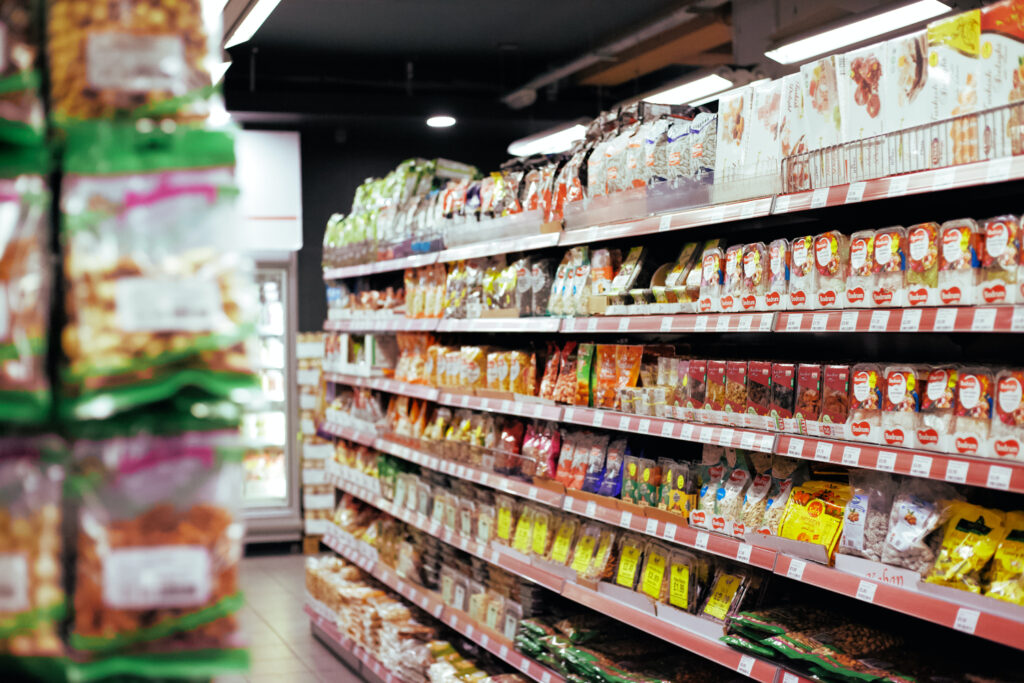
Category IV | Ultra-processed foods. These foods are industrial formulations that are often lab-created and can include many types of chemicals, additives, emulsifiers, food dyes, preservatives, fake sugars, thickeners, hydrogenated seed oils, flavor enhancers, MSG, etc. There is very little whole food or nutrient content in them, they are super inflammatory, and they are often formulated to be addictive and less filling so you will keep eating them. They’re the “foods” you’d expect to be ultra-processed – packaged snacks, crackers, candy, sodas, energy drinks, chips, frozen meals, most commercial bread, cereals, cookies, cakes, etc. All Category IV foods should be limited in our diets (or eliminated altogether) because they are inflammatory and can damage our metabolic function. That can be pretty difficult though, which is why I try to stick to an 80/20 approach for my family (80% nutrient-dense whole foods, 20% not-so-great indulgent foods, some of which may sometimes include ultra-processed foods).
So what do we eat? Eating real, whole food is always the best way to nourish our bodies while also getting to enjoy yummy meals. With a little effort in the kitchen, real food is delicious! Vegetables, fruits, animal proteins, legumes, nuts, seeds, healthy fats, whole grains, fermented foods, herbs & spices, and filtered water are all part of what I consider to be a whole foods diet. In fact, science shows that eating these foods (particularly fruits, veggies, and whole grains), along with other healthy lifestyle habits, has a very positive impact on longevity.
I strongly support a balanced 80-20 approach when it comes to diet though because it frees us from making food become an obsessive idol and leaves room for indulging here and there while still supporting our bodies. Especially if we are nailing other good habits like sleep, body movement, and lowering toxic load, it can be workable. Although not everyone will agree with this more relaxed approach, I personally think that a “perfect diet” is too difficult to attain in our modern world. 80/20 makes adding in whole foods easy enough and automatically limits many of the unwanted inflammatory ingredients that harm our metabolic function and create free radicals, setting us up to steward our bodies well so we can do all the things we want to do and truly thrive!
Resources
Means, C., & Means, C. (2024). Good Energy. Penguin.
NOVA. (2018). The NOVA food classification system. Ecuphysicians.ecu.edu. https://ecuphysicians.ecu.edu/wp-content/pv-uploads/sites/78/2021/07/NOVA-Classification-Reference-Sheet.pdf