Marshmallow’s Marvelous Uses
You may recognize the word “marshmallow” and associate it with a delicious s’mores ingredient – and you wouldn’t be wrong! Although modern marshmallows are not made from this plant anymore, a similar candy treat was made from the root in the past. I’ve never personally made them myself, but there are plenty of recipes floating around on the internet. Here is one to try!
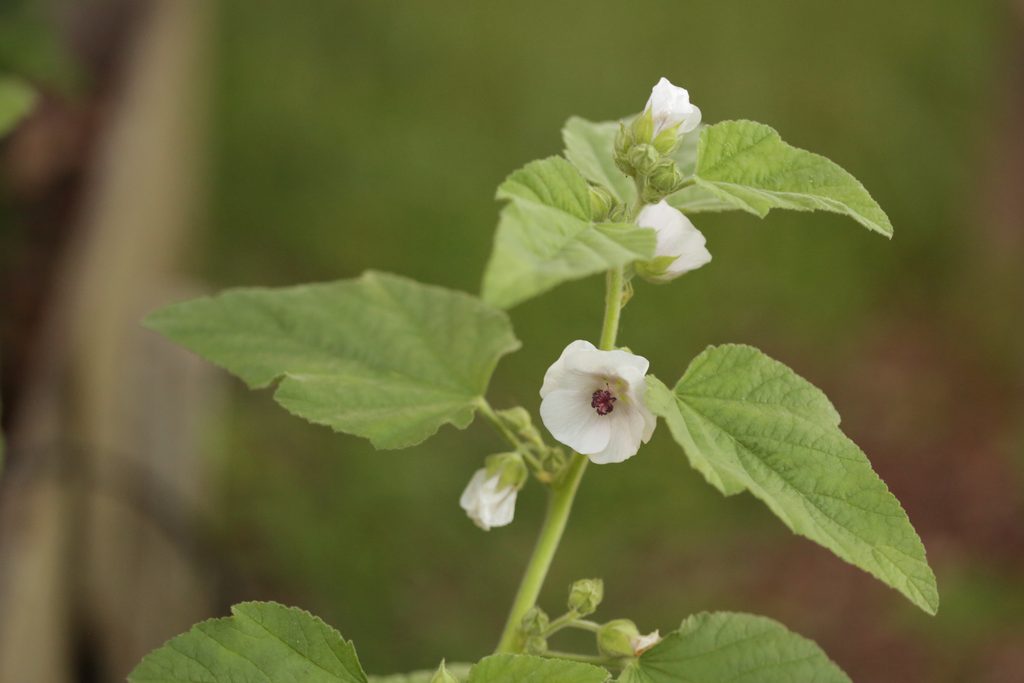
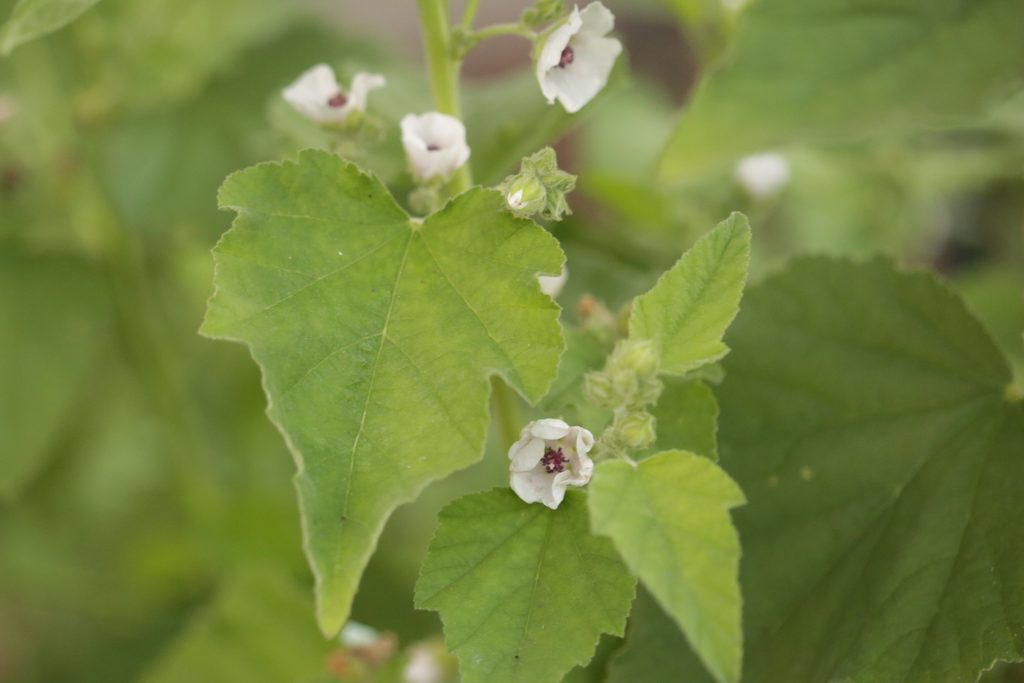
In addition to being the original ingredient for marshmallows, Althaea officinalis is a beautiful and useful herb to cultivate in the garden. It grows quite large (4 feet tall!) and has dainty whitish-pink blooms that are so pretty! The leaves are large, gray-green, and feathery soft. Although the leaves and flowers can definitely be harvested and make great allies for all sorts of ailments, the root is primarily used. Marshmallow has many properties but its star quality is it’s demulcent action, which makes it gooey and slimy and incredibly soothing for all kinds of irritations, especially gut-related. It’s also an awesome herb to consider for inflammation and has been compared to NSAIDs for its effects.
I do grow marshmallow in my garden as a perennial but I don’t harvest the root, as I find it much easier to purchase it already in powder form from Mountain Rose Herbs. I harvest the leaves and flowers though, and I could certainly harvest the root if I needed it. It takes up quite a bit of space so if you want to grow it, make sure to give it room to grow.
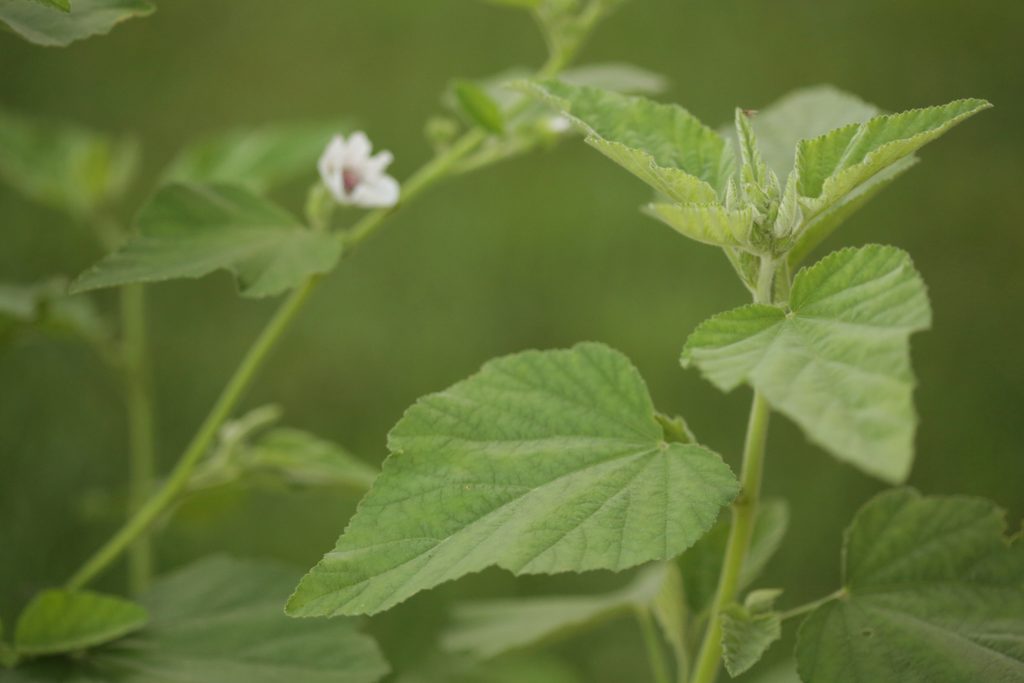
Herbal qualities: antibacterial, anti-inflammatory, antioxidant, antispasmodic, demulcent, diuretic, emollient, expectorant, galactagogue, immunomodulant, immunostimulant, mucilaginous, nutritive, vulnerary
Energetics: cooling, moistening
Soothes GI irritations + digestive upsets: Marshmallow is my go-to herb for supporting gut health and it’s also a good prebiotic source (feeds commensal gut bacteria). When made as a cold infusion (adding the root powder to cold water), marshmallow coats the epithelial gut lining to soothe and repair damaged tissues and it can also neutralize excess acid in the stomach, making it supportive for gastroesophageal reflux disease (GERD) and ulcers. Marshmallow not only offers immediate relief, but it can also support recovery from gastritis, gastroparesis, IBD, and leaky gut. It also promotes sluggish, dry bowels to get moving. I admit it doesn’t taste great on it’s own, but it’s worth muscling it down or adding another herb for flavor. Marshmallow may also be helpful in addressing gram negative bacteria like E. coli.
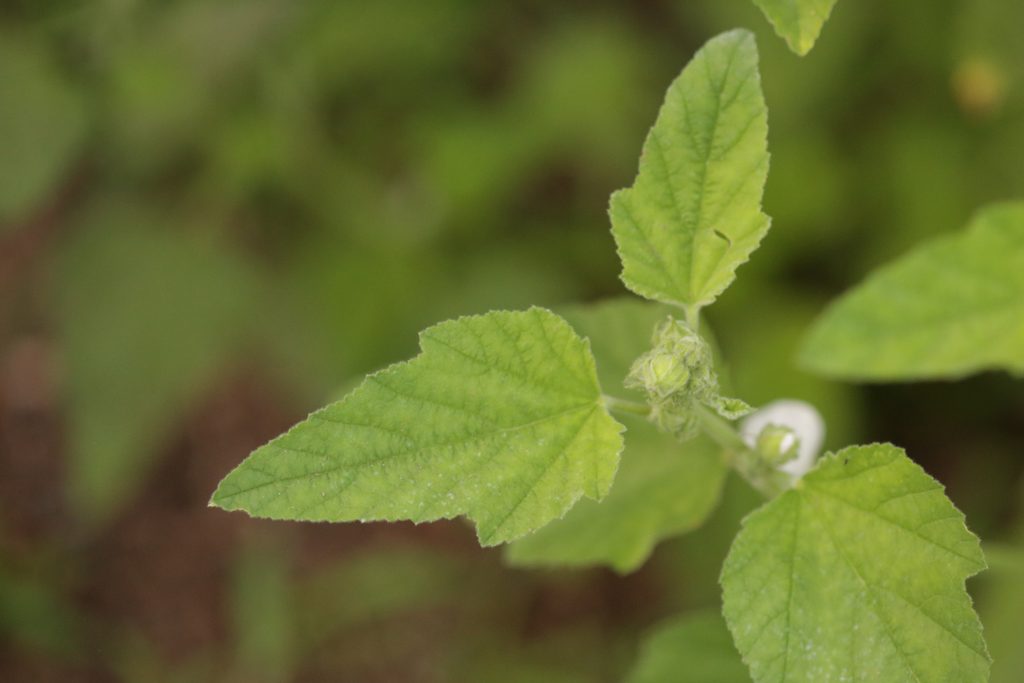
Soothes skin irritations + wounds: All parts of the plant are useful as a vulnerary. The flowers can be used for external skin inflammation, and the leaves and root can be used as a poultice for a wide variety of concerns including insect bites, bee stings, dryness, diaper rash, burns, and minor wounds. Marshmallow’s effects have been considered even better (and much safer) than results of OTC hydrocortisone ointment for eczema – it’s a great addition to a bath or a salve!
Support for cold + flu: A cold water infusion of the leaves and flowers are great to ease a sore, dry throat and irritated lungs. It’s especially helpful for a spasmodic, hacking cough.
Urinary tract inflammation: Marshmallow can be used to soothe hot and irritated urinary problems like UTI, kidney infections, and kidney stones. It’s also a diuretic, which can add additional benefit.
Nursing mothers: Marshmallow is a nourishing herb that enriches breast milk.
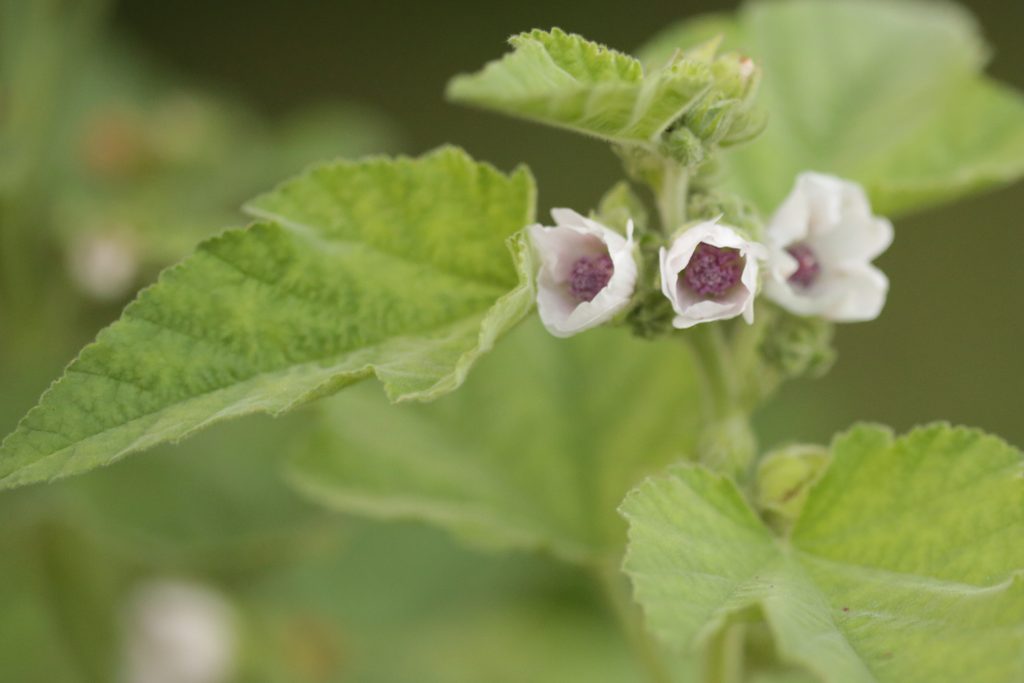
Preparations: Best as a cold infusion (1 teaspoon dried powder to 8 ounces cold water left to sit 1 hour up to overnight), but can also be used as a poultice, powder, capsules, salve, bath, syrup, or for culinary purposes (the young leaves are nice in salad). Alcohol-based tinctures are not recommended, as water is what draws out the mucilage.
Cautions & considerations: Marshmallow is considered safe for all but it should not be taken with prescription medication, as the mucilage may inhibit absorption. The root can be bothersome for people with dysbiosis, candidiasis, and SIBO, so the flowers and leaves may offer a gentler option. It’s a great substitute for slipper elm, which is an endangered tree.
References
Castleman, Michael. (2009). The New Healing Herbs. Rodale Books.
Easley, T. (2016). The modern herbal dispensatory: A medicine-making guide. North Atlantic Books.
Gladstar, R. (2012). Medicinal herbs: A beginner’s guide. Storey Publishing, LLC.
Groves, M. (2026). Herbal Gut Health. Storey Publishing, LLC.
Watt, K., Christofi, N., & Young, R. (2007). The detection of antibacterial actions of whole herb tinctures using luminescent Escherichia coli. Phytotherapy research : PTR, 21(12), 1193–1199. https://doi.org/10.1002/ptr.2238