Unpacking “bioengineered food”
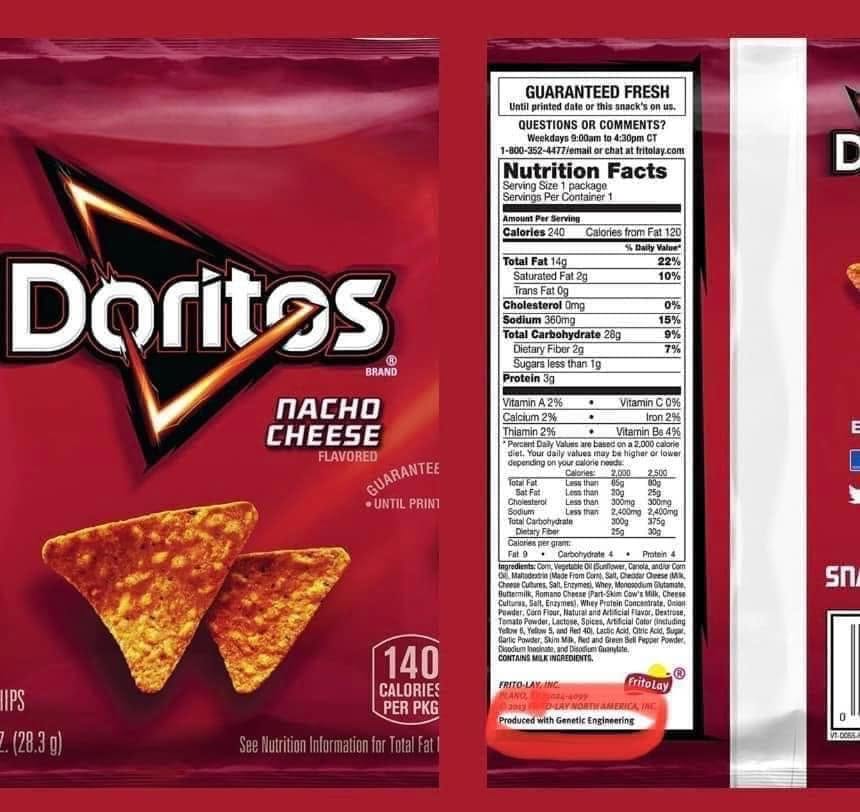
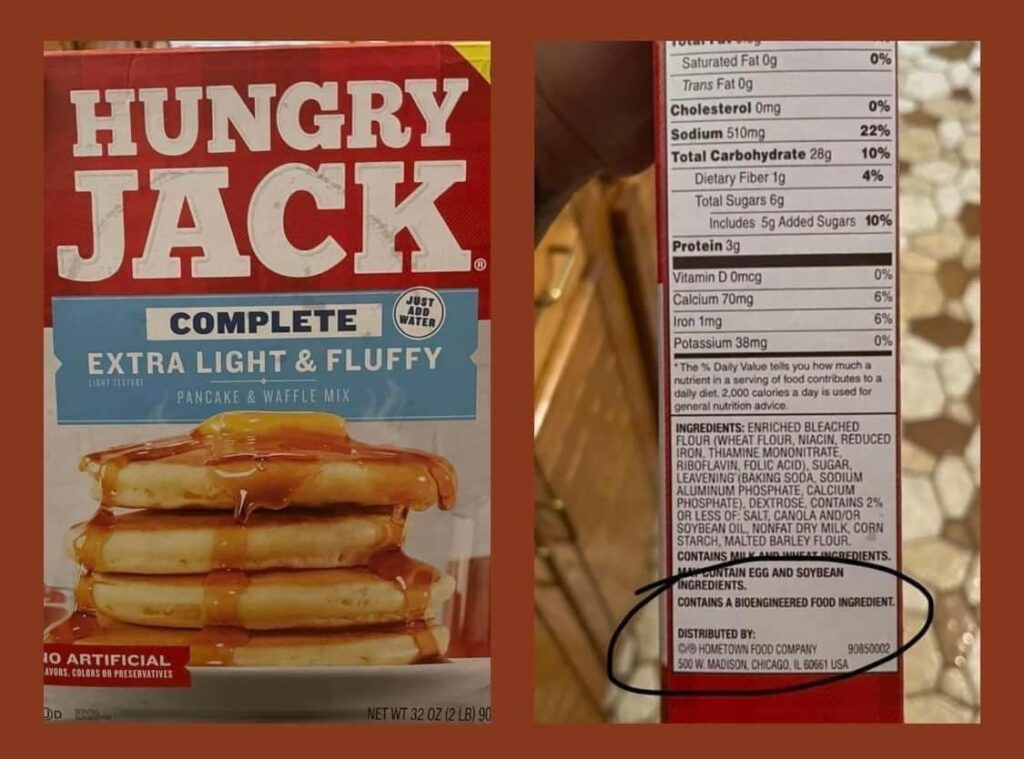
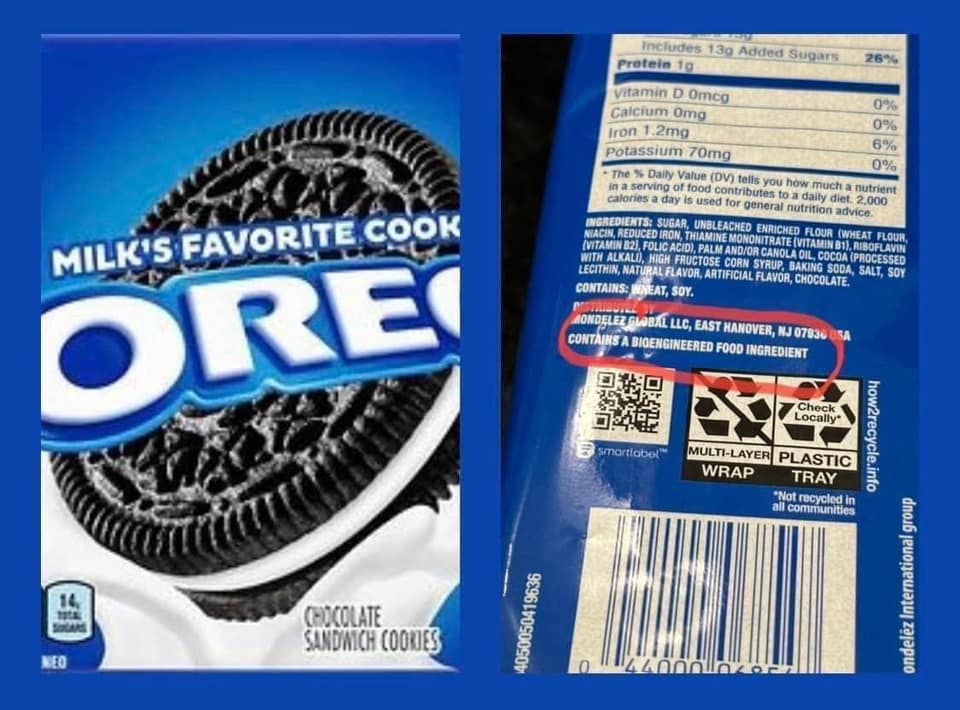
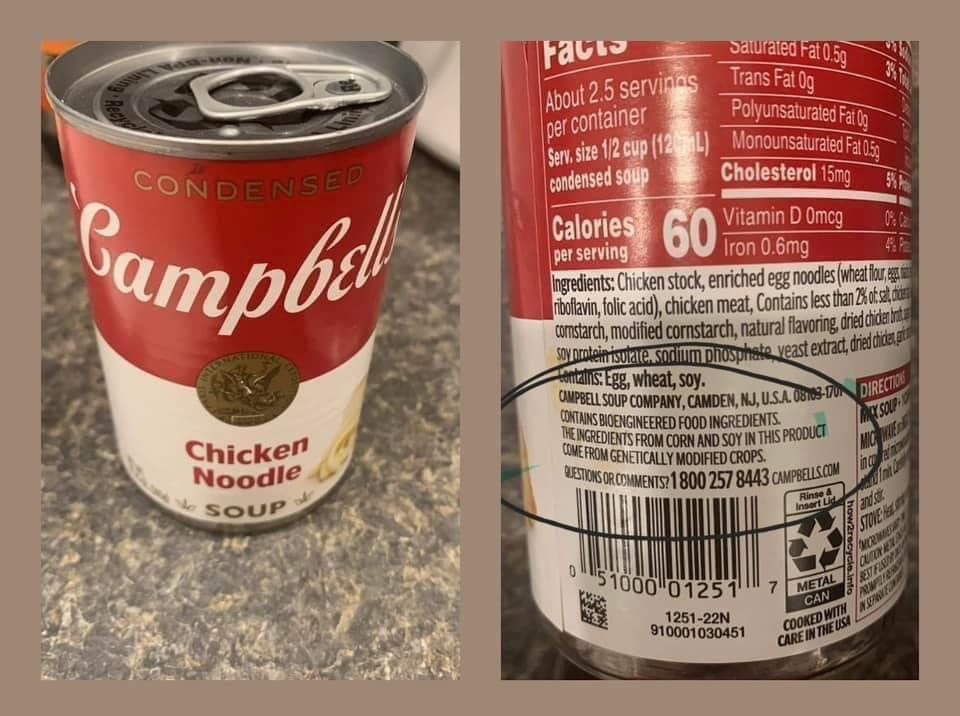
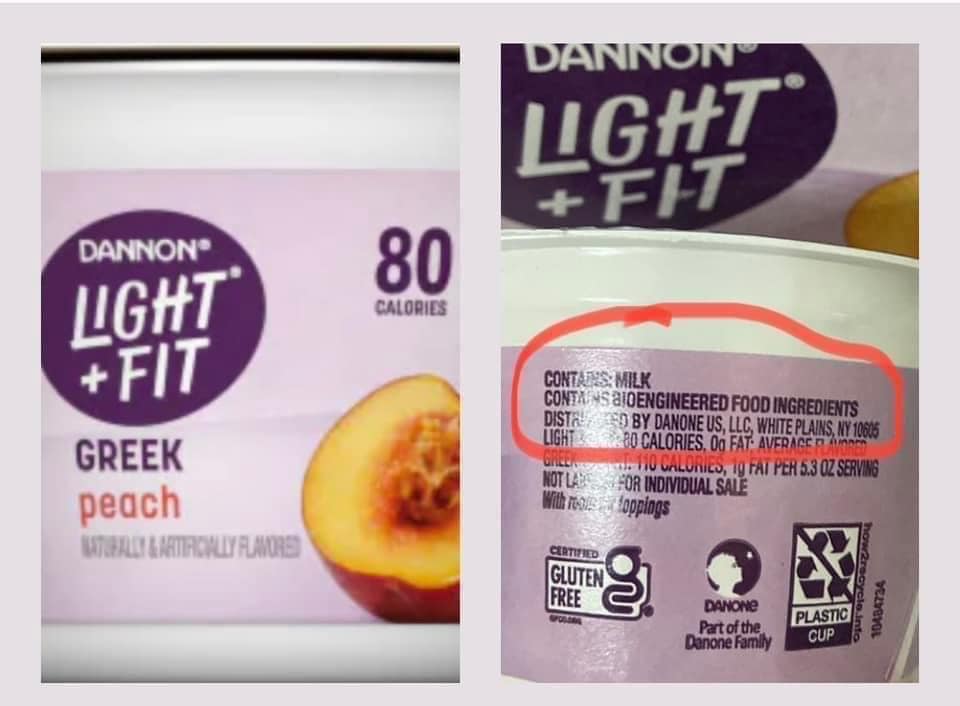
Have you ever noticed the “contains bioengineered food ingredients” label on food packages at the grocery store?
Believe it or not, it’s on 75% of processed food in America.
That’s crazy. Especially when you know what it actually means.
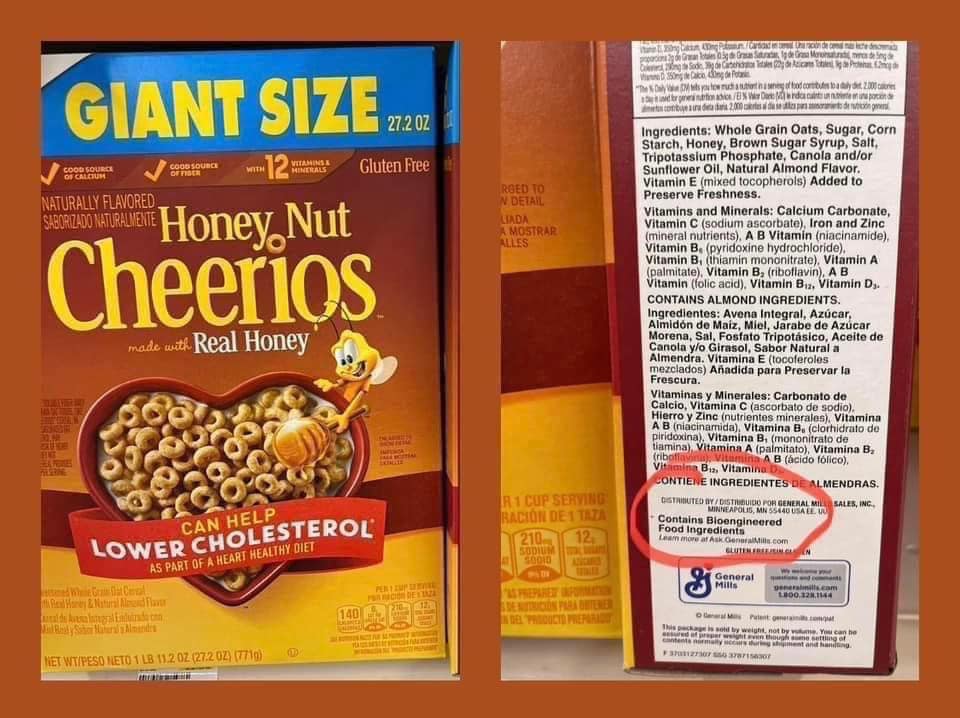
The government’s definition of “bioengineered food” is foods that “contain detectable genetic material that has been modified through in vitro recombinant deoxyribonucleic acid (rDNA) techniques and for which the modification could not otherwise be obtained through conventional breeding or found in nature.” So basically … it’s the modern label for GMO foods.
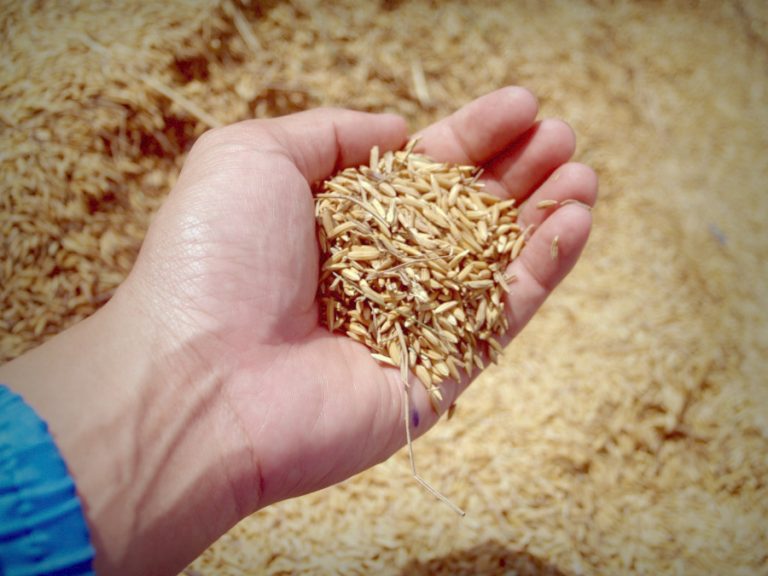
Let’s revisit what GMOs actually are. GMO stands for genetically modified organism. By forcing genes from one species into another, scientists can create a completely new organism that would never have occurred in nature on its own. GMO use has grown exponentially. In fact, almost 100% of all U.S. corn and soy are GMO. If you’ve ever seen a completely dead, brown farm field on the side of the road, that’s a clue it has just been sprayed with an herbicide to prepare it for planting GMO seeds. Although GMOs may have started with good intentions, they are simply not healthy for the human body or creation.
There are two main GMOs:
Herbicide-Tolerant Crops. These GMO crops, also known as Roundup-Ready crops (usually soybeans, corn, cotton, canola, sugar beets, and alfalfa), are created to withstand the spraying of glyphosate, an herbicide that has been classified as a probable human carcinogen by the WHO. The goal of these GMO crops is to kill the competing weeds in a field, but spare the growing crop. It is also sprayed liberally as a ripening agent before harvest for grains, pulses, fruits, and vegetables. This is an issues because the potential negative health effects of glyphosate are plentiful. It cannot by washed off produce either, because it absorbs into the proteins of the plants. That means that these GMO crops provide a never-ending dose of glyphosate to our bodies and have infiltrated every part of the food chain, with runoff contaminating natural water sources and, yes, even our tap water and well water sources.
Pesticide-Producing Crops. These GMO crops (usually corn and cotton) are engineered to produce an insecticide inside every cell of the plant. This insecticide, called BT-toxin, breaks open the stomachs of bugs that eat it, effectively killing them. Sounds reasonable in theory, but it’s also creating super bugs that are resistant to it. And it’s harmful to wildlife. BT toxin can also provoke immune responses (think asthma, allergic reactions, auto-immune responses) as well as poke holes in human and mammal digestive cells, potentially leading to IBS, leaky gut, and many other intestinal concerns.
Bioengineered Ingredients Are Lab-Manufactured
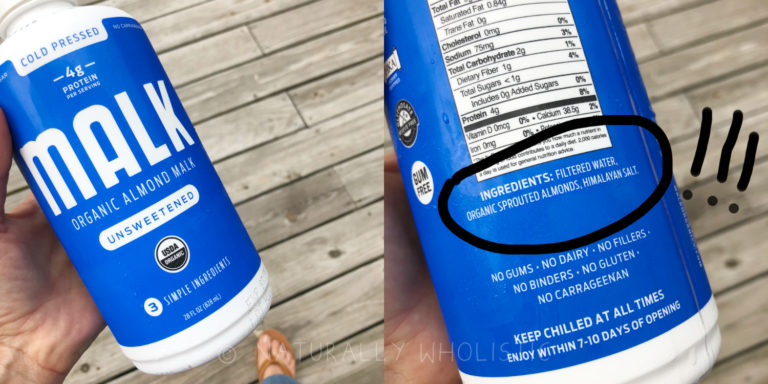
For so many reasons, foods with bioengineered ingredients should be avoided whenever possible. Although it’s possible they resemble some form of food, they are a far cry from the whole foods God provides us and they silently wreck havoc on our bodies. The best way to avoid bioengineered foods is to steer clear from processed foods as much as possible and eat a whole foods diet. And when buying processed foods, always read the labels and find better alternatives when it’s labeled bioengineered. Likewise, it’s helpful to know which foods are bioengineered so you can keep those ingredients on your radar.
According to the USDA, the list includes:
- Alfalfa
- Apple (Arctic brand – Golden delicious, Granny Smith, Fuji)
- Canola
- Corn
- Cotton
- Eggplant
- Papaya
- Pineapple (Pinkglow (pink flesh) variety
- Potato
- Salmon (AquAdvantage brand)
- Soybean
- Summer Squash (yellow crookneck squash)
- Sugarbeet
- Sugarcane
Packaged foods that contain corn, cornstarch, corn syrup, soy, canola, and/or sugar almost certainly contain GMO/bioengineered. Avoid sodas, baked goods, frozen meals, conventional salad dressings, etc. as well.
This Label is a good thing, right?
Requiring this label does seem like it would be helpful for consumers who want to stay away from GMOs but there are gaps in what qualifies for the label, creating loopholes for manufacturers. Only foods that have “detectable modified genetic material” qualify as bioengineered, so any food that is so highly processed to the point that it no longer has enough genetic material to be detected is exempt. Sugar made from GMO sugar beets and cooking oil made from GMO canola falls in this category.
Likewise, animal feed, pet food, personal care products, multi-ingredient foods with meat, poultry, or eggs as the first ingredient, and foods like meat, poultry, and eggs are all exempt. This means that if any GMO ingredients are used in the process of making or growing those foods, a bioengineered food label is not required. So grocery store meat from animals that eat GMO feed won’t be labeled, as well as other packaged foods that don’t have detectable genetic material (even though they contain bioengineered ingredients) won’t be labeled as bioengineered.
Also of note, the USDA shares that restaurants are not required to disclose if any of their ingredients are bioengineered. Likewise, “restaurant-type foods [sold in grocery stores] intended for immediate consumption, such as a single-serving salad, a single muffin, a sandwich, or a single serving of soup” are exempt.
Yikes!
Look for the Non-GMO Project Label
You can further avoid packaged bioengineered ingredients by looking for the Non-GMO Project label on packaging. It does not mean the foods are organic, but it does mean that you can be confident you’re avoiding bioengineered ingredients. It is one of the most rigorously tested certification in the U.S.
Of course, sticking with whole foods and buying organic whenever possible will help keep bioengineered ingredients out of your home as well.
Happy label reading!