
Plant Monographs
My personal Materia Medica is a forever-evolving labor of love that includes the following plant monographs. I am slowly converting my handwritten notes to online resources, so check back often as I add more herbs. The information here has been condensed from my lengthier blog post commentaries to more printer-friendly versions, and I have included downloadable PDF documents as well to make it easier for you to use. It’s the same information you’ll find in the individual posts, just more concise and printer-friendly .
My prayer is that these resources will ignite your family’s curiosity and knowledge of herbs so that you can learn to care for your bodies naturally by promoting wholistic wellness.
Plant Monographs
- Bee Balm
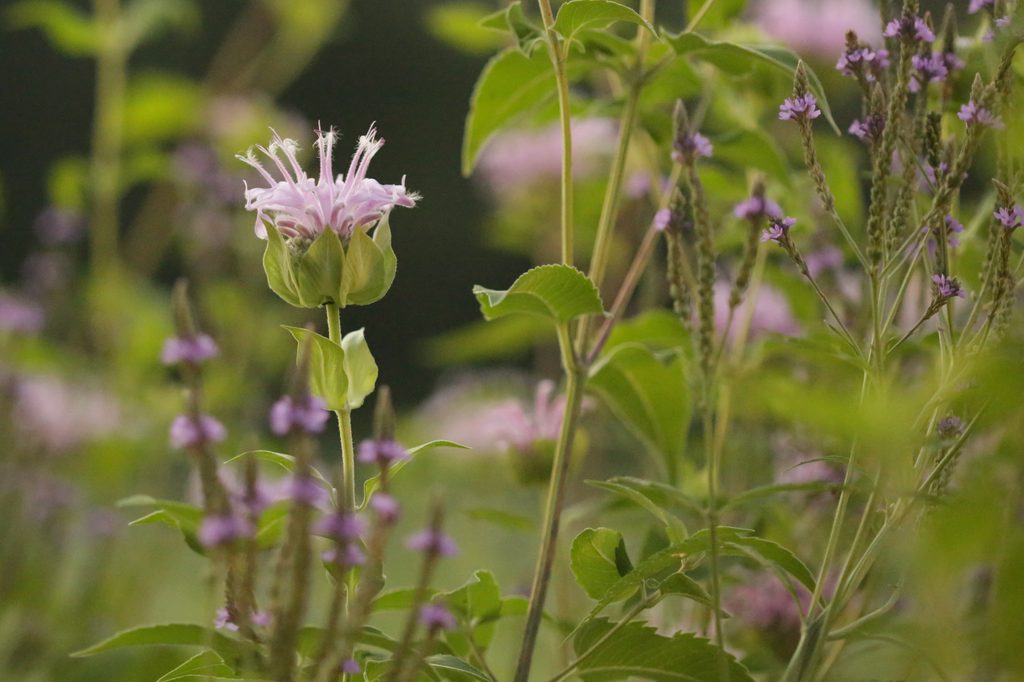 LATIN NAME: Monada fistulosa, Monarda didyma
FAMILY: Lamiaceae
PARTS USED: leaves + flowers
HERBAL QUALITIES: Alterative, anti-fungal, anti-inflammatory, antimicrobial, antispasmodic, carminative, diaphoretic, diffusive, digestive tonic, diuretic, emmenagogue, nervine, vulnerary
ENERGETICS: Warming + drying, though some herbalists argue it’s more cooling because of its cooling effect for fevers and inflammation
TASTE: hot, minty, pungent, sweet
HARVESTING: Harvest flowers and leaves at the height of flowering, leaving about six inches of the stem. Do not harvest parts that have been affected by white powdery mildew.
PREPARATIONS: culinary, infusion (steeped for 5 minutes), infused honey, infused oil, vinegar/oxymel, poultice, salve, balm, steam, syrup, tincture, wash
DOSING: infusion (1 tsp dried herb in 1 cup boiling water, 3x/day); tincture (2-4 mL fresh herb 1:2, 50% or dried herb 1:5 40% 3x/day)
USES: In addition to being a lovely addition to a flower garden, bee balm is a versatile herbal ally and has so many gifts to offer. It works from the inside out, helping to stimulate circulation, enhance immunity, and move stagnation. It is strongly antimicrobial, making it wonderful to have on hand for the winter season. It’s also an awesome all-around digestive support herb. It’s safe to use with babies and can even be used as a cooled infusion in a bottle to help sooth colic or as an herbal wash or cooled compress to support cradle cap. A bee balm infused oil has been traditionally used to soothe ear infections, tinnitus, and vertigo by applying topically to the outside of the ear and head/neck area. Anecdotally, an infused oil has also helped to relieve nerve pain and numbness. Bee balm’s diffusive property likewise lends itself well to supporting cold hands and feet by stimulating circulation.
Digestion/Detoxification – When it comes to gut support, bee balm is a standout herb. It is not only supportive to repair leaky gut and restore dysbiosis, it also promotes healthy digestion and eases digestive upsets, flatulence, indigestion, bloating, diarrhea, constipation, and cramping. It’s basically the go-to herb for all things digestion. Bee balm also supports movement in gallbladder congestion and the liver’s detoxification processes – an infusion is even helpful to ease hangovers! Historically, bee balm has been used in cases of cholera and some research suggests it can support symptoms of SIBO.
Support Infections – Bee balm’s high thymol content makes it a strong broad spectrum antimicrobial (antiviral, anti-fungal, antibacterial) and is extremely supportive with persistent, frequent usage for a variety of acute infections. A tincture or an infusion are particularly recommended. Anecdotally, it has been used to support all kinds of bacteria, viral, and fungal infections (like truly – all kinds), but there are a few situations for which it is particularly recommended:
- Fungal/Yeast: Although bee balm is a powerful general antimicrobial, one of its greatest properties is it’s strong anti-fungal quality. It’s helpful for topical and internal fungal concerns, including an imbalanced gut microbiome. A bee balm infusion can be supportive for yeast infections or chronic candidiasis, a douche made from a cooled infusion is helpful for a vaginal yeast infection, and an herbal wash made from an infusion is supportive for topical infections and cradle cap.
- Cold + Flu: The antimicrobial quality of bee balm is a powerful support for cold + flu season. As a diffusive herb, bee balm helps to move heat out of the body and promotes movement of stagnation, making it a nice ally for cold + flu symptoms. A warm infusion is especially useful to support fever that presents with clammy cold skin, general symptoms of coldness, and lung infection. Bee balm also makes an excellent herbal syrup or herbal honey for cough and sore throat. Likewise, an oxymel or aromatic herbal steam can help to relieve chest congestion.
- Urinary Tract: As a strong antimicrobial, bee balm is a perfect herb to consider for an inflamed urinary tract. Paired with marshmallow root and cranberry, bee balm makes a lovely infusion to support urinary tract infections and other urinary tract irritations.
- Mouth: Due to bee balm’s high thymol content, swishing a mouthwash made from a cooled infusion (or a tincture diluted with water) can be a great way to support mouth and gum irritations, toothaches, thrush, and oral infections. Research also suggests that bee balm may inhibit oral cancer in vitro.
- Skin – Bee balm can be used topically for burns, rashes, stings, sunburns, and skin irritations. An herbal wash, poultice, balm, or salve are great options to support skin concerns and wound healing.
- Calming/Relaxing – As a nervine, bee balm is helpful to support anxiety, depression, and even sleep concerns. It makes a terrific nighttime tea combined with chamomile.
- Menstrual Support – A cold bee balm infusion can be taken to stimulate menstruation and relieve the pain of menstrual cramps.
CAUTIONS: Generally considered safe for all, including babies. Use culinary doses only for pregnancy, due to the emmenagogue and menstruation-stimulating properties. Bee balm can induce vomiting when combined with valerian.
MORE INFO + REFERENCES: https://naturallywholistic.com/2026/10/bee-balm-for-all-the-things.html
DOWNLOADABLE PDF: Bee Balm Monograph
- Chickweed
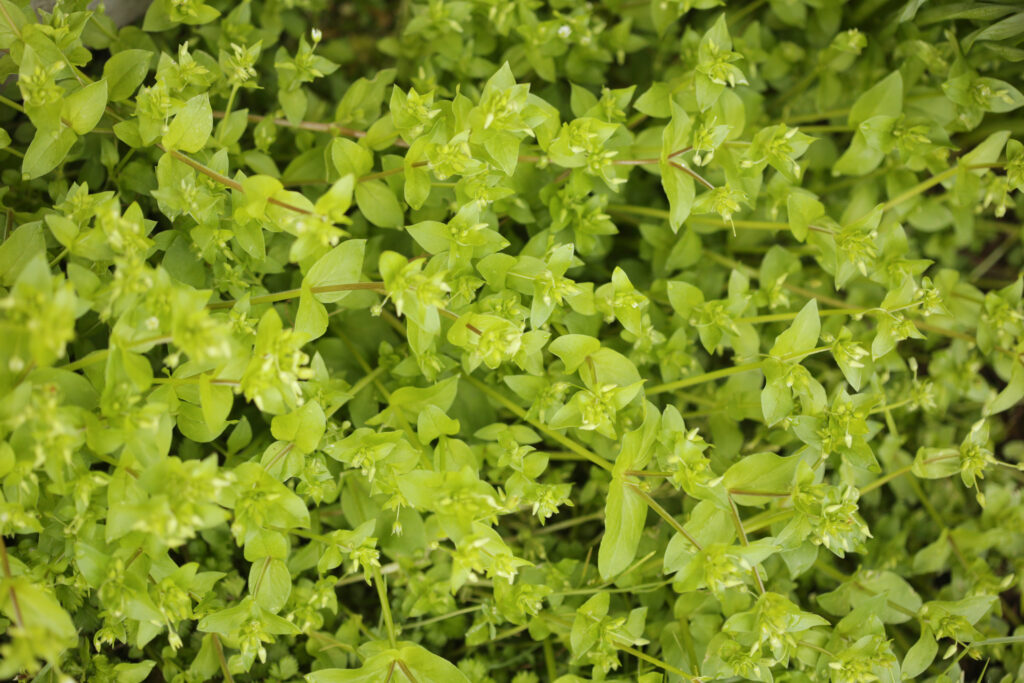 LATIN NAME: Stellaria media
FAMILY: Caryophyllaceae
PARTS USED: aerial parts
HERBAL QUALITIES: alterative, anti-inflammatory, antibacterial, antimicrobial, antiviral, demulcent, diuretic, emollient, expectorant, febrifuge, laxative, lymphatic, nutritive, vulnerary
ENERGETICS: cooling and moistening
TASTE: mild, slightly salty, slightly sweet
HARVESTING: Chickweed is one of the first plants to sprout in the spring and likes cooler weather (a second harvest may be gathered in the fall). Harvest in early spring right before the flowers bloom for the most tender and nutrient-rich plant material
PREPARATIONS: eating fresh, fresh tincture, infusion, infused oil, salve
DOSING: food (1-3 cups fresh, cooked, or pickled); infusion (1 tsp dried herb in 1 cup boiling water up to 3x/day); tincture (2-5mL 1:2 95% fresh or 1:5 50% dried, as needed); salve or oil (topical use as needed daily & persistently for skin problems)
USES:
Nutritive. Known as a spring tonic that helps the body regain vitality after the winter, it is loaded with nutrients and makes a delicious addition to salads, and it can also be juiced. Loaded with “beta-carotene, calcium, fiber, iron, magnesium, niacin, phosphorus, potassium, vitamin C, and zinc” (Forêt, 2020, p. 80) as well as antioxidants, it packs a lot of nourishment! On top of that, its moistening and cooling properties makes it soothing for joints and bodily inflammation.
Lymphatic support. Chickweed is a fabulous lymph mover, especially in cases of stagnation or swollen lymph nodes. It can also support movement of toxins, infections, mucus, and bacteria, as well as elimination of cysts and and lumps.
Skin support. Chickweed is an excellent vulnerary and can soothe dry, itchy skin conditions like eczema, psoriasis, diaper rash, and contact dermatitis, and can also support healing from wounds and infections, including herpes simplex virus-2. It makes a wonderful salve or poultice, but it can also be tinctured to support the skin from the inside out. A spit poultice soothes insect bites and stings and can help move splinters to the surface.
Cough soothing. In cases of dry, irritated coughs, chickweed’s demulcent quality helps to soothe inflammation, and it’s expectorant properties can support the movement of stuck mucus.
CAUTIONS: Chickweed is best consumed fresh or tinctured fresh, but it can be dried for a salve. It is generally considered safe, allergy resulting in contact dermatitis is rare. Large doses may result in stomach upset or diarrhea, food doses are considered ok for pregnancy and lactation.
MORE INFO + REFERENCES: https://naturallywholistic.com/2026/03/foraging-for-chickweed.html
DOWNLOADABLE PDF: Chickweed Monograph
- Chamomile
- Garlic
- Goldenrod
- Lemon Balm
- Marshmallow
- Violet
“He causes the grass to grow for the livestock and plants for man to cultivate, that he may bring forth food from the earth” -Psalm 104:14